The Apothecary / The Bladder Edit

01 / The introduction

The Bladder Edit

An integrative approach to recurrent UTIs, bladder irritation, and restoring urinary balance.

Explore the botanical preparations, everyday habits, and individual questions behind my approach to urinary tract care.

By Dr. Michele Burklund, NMD

The Bladder Edit collection arranged on warm limestone with botanicals
Dr. Michele Burklund

02 / A note from Dr. Michele

A note from Dr. Michele.

There are few things more disruptive than a urinary tract infection that keeps coming back. The burning, urgency, discomfort, and constant awareness of your bladder can begin to shape everything from what you drink in the morning to how you feel about intimacy.

When urinary symptoms become chronic or recurrent, I believe we need to look beyond the bladder itself. The urinary tract is part of a much larger ecosystem, influenced by our vaginal microbiome, hormones, immune defenses, metabolic health, and everyday habits.

Explore My Training

03 / Begin with the foundations

Before protocols. Before supplements.

Bladder comfort & daily irritants

Before introducing an elaborate supplement protocol, I always consider the foundations. Coffee, alcohol, sparkling beverages, citrus, tomatoes, spicy foods, and artificial sweeteners can all aggravate an already sensitive bladder. Even seemingly healthy rituals, like drinking lemon water every morning or taking high doses of vitamin C, may contribute to discomfort in susceptible women.

These foods don't necessarily cause bacterial infections. Rather, they can intensify burning, frequency, and urgency when bladder tissues are sensitive.

A temporary reduction in common irritants, followed by thoughtful reintroduction, can help identify individual triggers without creating an unnecessarily restrictive diet. Reintroduce foods one at a time and notice how your own bladder responds.

Hydration & glucose regulation

Blood sugar regulation is an often-overlooked consideration in recurrent urinary infections. When blood glucose remains elevated, glucose may spill into the urine, creating conditions that can encourage microbial growth. This is particularly relevant for women with insulin resistance or diabetes.

Eating something sweet does not automatically cause a UTI, and removing all sugar is not an established cure. I recommend beginning with blood sugar stability: protein-rich meals, fiber, colorful plants, healthy fats, and fewer sugar-sweetened beverages.

It's also worth considering how much water you're drinking. Consistent hydration helps dilute urine and supports normal urinary flow, while dehydration can leave urine concentrated and potentially more irritating. Nourishing meals and regular hydration are foundational parts of an individualized approach.

Vaginal ecology & tissue health

One of the most important relationships in women's urinary health is the connection between the vagina and bladder. A healthy vaginal ecosystem is often rich in beneficial Lactobacillus species, which help maintain an acidic environment and discourage the overgrowth of potentially troublesome organisms.

Antibiotic exposure, hormonal fluctuations, and changes in vaginal ecology may disrupt this delicate balance. The loss of protective Lactobacillus can leave some women more susceptible to recurrent urinary infections.

Estrogen also plays a meaningful role in maintaining vaginal and urethral tissue health. During perimenopause and menopause, changes in estrogen can alter the vaginal microbiome and contribute to thinner, drier, more sensitive tissues, as well as increased susceptibility to recurrent infections. An individual assessment connects these hormonal and microbial patterns with urinary symptoms and tissue comfort.

Emptying, bowel habits & the pelvic floor

For some women, the issue may also involve constipation, incomplete bladder emptying, pelvic floor dysfunction, or irritation following intimacy. Constipation and tight pelvic floor muscles can make it harder to empty the bladder fully. Bowel regularity, the ability to relax during urination, and a persistent feeling of incomplete emptying all deserve attention.

Symptoms that follow intimacy also deserve a closer look. Friction, sensitive tissues, and pelvic floor tension may contribute to discomfort, while sexual activity can also be associated with bacterial infections. The timing of a flare alone does not tell us which is happening.

First, identify whether symptoms represent an active bacterial infection, ongoing bladder irritation, or another condition that can mimic a UTI. A urine culture during symptomatic episodes can provide essential information; persistent symptoms also warrant assessment of tissue health, bowel habits, and the pelvic floor. Understanding these patterns is often more valuable than simply adding another supplement.

04 / Inside the Edit

A place for each selection.

Each selection has its own role. Read the preparation, consider what you already take, and choose what belongs in your routine.

05 / The science behind my selections

Read a little deeper.

Priority One Biofilm Phase-2 Advanced

Priority One

Biofilm Phase-2 Advanced

Why I chose it

The formulation. A formulation combining bismuth subnitrate, alpha-lipoic acid, and black cumin seed.

The physiology. The formulation is designed around the concept of biofilm disruption.

The human evidence. Effectiveness for recurrent bladder infections has not been established in human clinical trials.

Individual considerations. This is a specialized option guided by a practitioner, not a way to treat an active infection on your own.

Shop This Product

60 capsules

Research & references
    Klaire Labs/SFI Health Ther-Biotic InterFase Plus

    Klaire Labs/SFI Health

    Ther-Biotic InterFase Plus

    Why I chose it

    The formulation. An enzyme complex with EDTA.

    The physiology. It was developed around components of microbial biofilm matrices. Its intended applications primarily concern the gastrointestinal environment.

    The human evidence. Benefit in urinary infection remains unproven.

    Individual considerations. Chelating ingredients and enzymes call for an individual safety and medication review.

    Shop This Product

    60 capsules

    Research & references
      Gaia Herbs Pro Oil of Oregano Phyto-Caps

      Gaia Herbs Pro

      Oil of Oregano Phyto-Caps

      Why I chose it

      The formulation. Origanum vulgare in an encapsulated supercritical CO2 oregano oil extract. Volatile phenols include carvacrol and thymol. Confirm the plant part and amounts on the current manufacturer label so you know which preparation you are considering.

      The physiology. Oregano is a Mediterranean culinary herb, and concentrated oils also have a history of respiratory and digestive use. Its aromatic phytochemicals, particularly carvacrol and thymol, demonstrate antimicrobial activity in laboratory research.

      The human evidence. Laboratory antimicrobial activity has not established that oral oregano oil treats human infections. No efficacy claim is established for this capsule.

      Individual considerations. Concentrated extracts require individual assessment and do not replace evaluation and appropriate treatment of a confirmed infection. The oil may irritate the gastrointestinal tract and cause allergy. Avoid supplement use in pregnancy; culinary use is a different exposure.

      Shop This Product

      60 capsules

      Carvacrol and thymol are among the compounds described for this preparation. Check the current label for the plant part and amounts so you know which oregano product you are considering.

      Research & references
      Vitanica FemEcology

      Vitanica

      FemEcology

      Why I chose it

      The formulation. An oral Lactobacillus probiotic with five strains, including L. acidophilus LA14 and L. plantarum LP115.

      The physiology. The selected organisms are intended to support gastrointestinal and vaginal microbial ecology through oral supplementation. Supporting a healthy vaginal environment may belong in an individualized strategy for urinary health.

      The human evidence. Benefits depend on the particular strains, formulation, and clinical setting. Oral use does not guarantee vaginal colonization or prevention of urinary or vaginal infection.

      Individual considerations. Take only by the oral route on the label. This is different from V-Probiotics vaginal suppositories. Review products containing live microbes in severe illness or immunocompromise, and assess recurrent symptoms rather than relying on a probiotic alone.

      Shop This Product

      30 capsules

      Research & references
      Klaire Labs/SFI Health Ther-Biotic ABx Support

      Klaire Labs/SFI Health

      Ther-Biotic ABx Support

      Why I chose it

      The formulation. A combination of Saccharomyces boulardii, Lactobacillus, and Bifidobacterium species.

      The physiology. The preparation is intended for gastrointestinal microbial support during and after antibiotic exposure.

      The human evidence. That purpose does not establish prevention or treatment of urinary tract infections.

      Individual considerations. People who are severely immunocompromised or have central venous lines should discuss live probiotics with their treating clinician.

      Shop This Product

      28 capsules

      Research & references
        Pure Encapsulations D-Mannose

        Pure Encapsulations

        D-Mannose

        Why I chose it

        The formulation. D-mannose is a naturally occurring simple sugar.

        The physiology. It has been studied for its potential to interfere with the attachment of certain bacteria to urinary surfaces.

        The human evidence. A large 2024 randomized trial did not show meaningful prevention of recurrent urinary tract infections in the studied primary care population. This limits the case for treating D-mannose as routine prevention.

        Individual considerations. D-mannose is not an established treatment for an active infection.

        Shop This Product

        50 grams

        Research & references
          Gaia Herbs Black Seed Oil

          Gaia Herbs

          Black Seed Oil

          Why I chose it

          The formulation. Gaia Herbs’ cold pressed oil capsules use the seed of Nigella sativa. The preparation contains thymoquinone and seed oil rich in fatty acids.

          The physiology. Black seed has a long place in Middle Eastern and South Asian food and herbal traditions, including respiratory and digestive contexts. Thymoquinone and other constituents are studied for antioxidant properties and effects on inflammation.

          The human evidence. Human evidence for treating or preventing recurrent urinary tract infections remains insufficient. Small trials report changes in blood pressure or metabolic markers; they do not establish treatment of cardiovascular disease or respiratory illness. Products, extracts, and seed powder differ.

          Individual considerations. Gastrointestinal effects and allergy are possible. Review medicines that lower blood pressure or glucose, and other interactions, because additive effects are plausible. Safety of supplemental use during pregnancy and breastfeeding is insufficiently established.

          Shop This Product

          60 capsules

          This is Gaia Herbs’ black seed oil preparation. The product information linked below explains its ingredients and preparation in more detail.

          Research & references
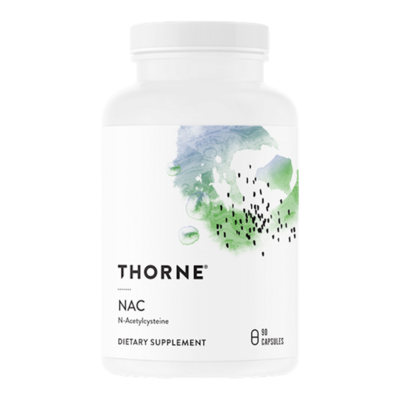
          Thorne NAC

          Thorne

          NAC

          Why I chose it

          The formulation. The current manufacturer label identifies N-acetyl-L-cysteine as the active ingredient. This Thorne preparation supplies 500 mg per capsule.

          The physiology. N-acetyl-L-cysteine provides cysteine, which the body uses to make the antioxidant glutathione.

          The human evidence. Antioxidant support is the reason to explore this preparation. The ingredient information should not be read as a claim that the product treats a urinary infection.

          Individual considerations. Consider this antioxidant focused option alongside your existing formulas and individual care.

          Shop This Product

          90 capsules

          Research & references

          The current manufacturer label identifies N-acetyl-L-cysteine as the active ingredient. Antioxidant support is the reason to explore this preparation; it should not be read as a claim that the product treats a urinary infection.

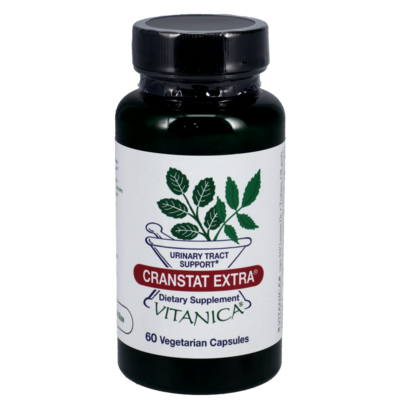
          Vitanica Cranstat Extra

          Vitanica

          Cranstat Extra

          Why I chose it

          The formulation. Cranstat Extra combines a 25:1 cranberry extract with buchu, uva ursi, pipsissewa, Oregon grape, and marshmallow.

          The physiology. This Vitanica preparation brings together concentrated extracts and herbs traditionally used for urinary support. Its formula of six herbs is distinct from a cranberry only supplement.

          The human evidence. The product information confirms the ingredients and cranberry extract ratio. It does not, by itself, establish prevention or treatment of urinary infection with this finished blend.

          Individual considerations. Read the current product label alongside your individual care plan when considering this preparation.

          Shop This Product

          60 capsules

          Research & references

          The formula contains a 25:1 cranberry extract together with five other herbs. Read the current product label and your individual care plan when considering the preparation.

          The complete Bladder Edit.

          An integrative approach to recurrent UTIs, bladder irritation, and restoring urinary balance. There are few things more disruptive than a urinary tract infection that keeps coming back. The burning, urgency, discomfort, and constant awareness of your bladder can begin to shape everything from what you drink in the morning to how you feel about intimacy. And for many women, the story doesn't end with one round of treatment. When urinary symptoms become chronic or recurrent, I believe we need to look beyond the bladder itself. The urinary tract is part of a much larger ecosystem, influenced by our vaginal microbiome, hormones, immune defenses, metabolic health, and everyday habits. The goal is to understand why infections keep returning, calm irritated tissues, and support the body's natural defenses. First, Look at What May Be Irritating Your Bladder Before introducing an elaborate supplement protocol, I always consider the foundations. Coffee, alcohol, sparkling beverages, citrus, tomatoes, spicy foods, and artificial sweeteners can all aggravate an already sensitive bladder. Even seemingly healthy rituals, like drinking lemon water every morning or taking high doses of vitamin C, may contribute to discomfort in susceptible women. These foods don't necessarily cause infections. Rather, they can intensify burning, frequency, and urgency when bladder tissues are sensitive. A temporary reduction in common irritants, followed by thoughtful reintroduction, can help identify individual triggers without creating an unnecessarily restrictive diet. And then there's sugar. Blood sugar regulation is an often-overlooked consideration in recurrent urinary infections. When blood glucose remains elevated, glucose may spill into the urine, creating conditions that can encourage microbial growth. This is particularly relevant for women with insulin resistance or diabetes. But an important distinction: eating something sweet does not automatically cause a UTI, and removing all sugar is not an established cure. I recommend beginning with blood sugar stability: protein-rich meals, fiber, colorful plants, healthy fats, and fewer sugar-sweetened beverages. It's also worth considering how much water you're drinking. Consistent hydration helps dilute urine and supports normal urinary flow, while dehydration can leave urine concentrated and potentially more irritating. The Vaginal Microbiome Matters One of the most important relationships in women's urinary health is the connection between the vagina and bladder. A healthy vaginal ecosystem is often rich in beneficial Lactobacillus species, which help maintain an acidic environment and discourage the overgrowth of potentially troublesome organisms. Antibiotic exposure, hormonal fluctuations, and changes in vaginal ecology may disrupt this delicate balance. Estrogen also plays a meaningful role in maintaining vaginal and urethral tissue health. During perimenopause and menopause, changes in estrogen can alter the vaginal microbiome and increase susceptibility to recurrent infections. For some women, the issue may also involve pelvic floor dysfunction, incomplete bladder emptying, constipation, or irritation following intimacy. Understanding these patterns is often more valuable than simply adding another supplement. What About Biofilms? Biofilms are communities of microorganisms surrounded by a protective matrix. They are an important area of investigation in persistent and recurrent infections. Certain organisms can form biofilms, which may help explain some challenges associated with microbial persistence. However, not every recurrent UTI involves a clinically significant biofilm, and currently available oral biofilm supplements have not been proven to clear bacterial infections from the bladder. I consider biofilm-focused preparations more specialized tools that require individual clinical assessment rather than an automatic first step. Inside The Bladder Edit This collection brings together nine nutritional, botanical, and microbiome-focused preparations selected for different aspects of urinary and microbial health. Biofilm Phase-2 Advanced: A formulation combining bismuth subnitrate, alpha-lipoic acid, and black cumin seed. Designed around the concept of biofilm disruption, although its effectiveness for recurrent bladder infections has not been established in human clinical trials. Ther-Biotic InterFase: An enzyme complex developed to act on components of microbial biofilm matrices. Its research and intended applications primarily concern gastrointestinal biofilms; benefits in urinary infections remain unproven. Oil of Oregano Phyto-Caps: Oregano contains aromatic phytochemicals, particularly carvacrol and thymol, that have demonstrated antimicrobial activity in laboratory research. Concentrated oregano extracts are best considered short-term, practitioner-guided botanical preparations, not substitutes for treating a confirmed infection. FemEcology: A blend of beneficial Lactobacillus species chosen to support vaginal and intestinal microbial ecology. Supporting a healthy vaginal environment may be an important part of an individualized urinary-health strategy, although probiotic benefits depend on the specific strains and formulation. Ther-Biotic ABx Support: A combination of Saccharomyces boulardii, Lactobacillus, and Bifidobacterium species intended to support gastrointestinal microbial balance during and after antibiotic exposure. D-Mannose: A naturally occurring simple sugar studied for its potential to interfere with the attachment of certain bacteria to urinary tract surfaces. Although previously promising, a large clinical trial did not demonstrate meaningful prevention of recurrent UTIs, so its benefits should not be overstated. Black Seed Oil: Derived from Nigella sativa, a botanical with a long history of traditional use. Its constituents, including thymoquinone, are being studied for antioxidant and anti-inflammatory properties. Human evidence for treating or preventing recurrent UTIs remains insufficient. NAC: N-acetyl-L-cysteine provides cysteine, which the body uses to make the antioxidant glutathione. This Thorne preparation supplies 500 mg per capsule. It adds an antioxidant-focused option to the Edit, to consider alongside your existing formulas and individual care. Cranstat Extra: A botanical blend of cranberry, buchu, uva ursi, pipsissewa, Oregon grape and marshmallow. This Vitanica preparation brings together concentrated extracts and herbs traditionally used for urinary support. Its multi-herb formula is distinct from a cranberry-only supplement. A More Thoughtful Path Forward When I work through recurrent urinary concerns, I consider the sequence of care as much as the individual ingredients. First, identify whether symptoms represent an active bacterial infection, ongoing bladder irritation, or another condition that can mimic a UTI. A urine culture during symptomatic episodes can provide essential information. Then look at the foundations: hydration, bladder irritants, blood sugar regulation, bowel habits, vaginal ecology, hormonal changes, and pelvic floor health. Finally, select botanical and nutritional support based on the individual's history and needs rather than assuming every woman requires the same protocol. Because caring for your bladder should involve more than managing the next flare. It should be about understanding your body, respecting its interconnected systems, and creating the conditions for lasting urinary health. This collection is intended for education and supportive wellness care. Supplements are not a substitute for evaluation and appropriate treatment of an active urinary tract infection. Fever, flank pain, vomiting, or symptoms during pregnancy warrant prompt medical assessment.

          06 / Shop the Edit

          Check out the full protocol

          Explore the complete collection, then choose the individual products that fit your care. Fullscript provides current labels, pricing and availability.

          Shop the Full Edit

          07 / Functional laboratory testing

          A Closer Look Through Testing

          Functional testing, guided by your history and the question at hand.

          Choosing & ordering

          A test begins with a question. These are options to explore when your history, symptoms, or existing results call for more information. You do not need every test in this directory.

          Ordering eligibility, availability and collection fees can vary by test and location. Confirm the current listing and your clinician’s instructions before ordering. Laboratory results belong within your history and care; no single result identifies the whole cause of a symptom.

          Tests for this Edit

          Questions connected with this Edit.

          Access Medical Labs

          Urinalysis w/ Reflex to Culture

          What it measures
          Urine chemistry and microscopic findings, with culture performed only when the laboratory reflex criteria are met.
          Why it is here · When it may be useful
          Current urinary symptoms require evaluation for infection or another urinary problem.
          What ordering involves
          Urine collected according to the laboratory instructions. Obtain during symptoms when evaluation is needed. Collect before antimicrobial treatment when feasible, without delaying necessary assessment or treatment.
          Keep in mind
          A culture is not automatic for every sample. Reflex criteria, contamination, and recent antimicrobials affect interpretation; persistent symptoms may require reassessment.
          More lab tests (37)

          Precision Analytical (DUTCH)

          DUTCH Complete

          What it measures
          Sex hormones and selected metabolites, daily cortisol and cortisone patterns, and selected organic-acid markers.
          Why it is here · When it may be useful
          A clinician has a specific hormone-metabolism or daily rhythm question after reviewing cycle history, symptoms, and hormone use.
          What ordering involves
          Timed dried urine samples collected with the at-home kit. Record sleep timing, cycle day when relevant, hormone use, and collection times. Do not substitute DUTCH Complete, Plus, or Cycle Mapping schedules for one another.
          Keep in mind
          Daily patterns are affected by timing, medicines, and collection conditions. These tests do not diagnose grief or adrenal fatigue.

          Genova Diagnostics

          GI Effects® Comprehensive Profile - 1 day

          What it measures
          Selected markers of digestion, intestinal inflammation, and organisms in a one-day stool sample.
          Why it is here · When it may be useful
          Persistent digestive symptoms warrant a closer look after the diet, bowel pattern, medication history, and clinical assessment have been reviewed.
          What ordering involves
          Stool collected with the one-day at-home kit. Follow the selected laboratory instructions for collection days, sample handling, and recent antimicrobial or supplement use.
          Keep in mind
          A stool result is a snapshot. Microbial associations do not prove a cause of symptoms or establish one ideal microbiome; individual markers differ in clinical validation.

          Quest Diagnostics

          Comprehensive Metabolic Panel

          What it measures
          Glucose, electrolytes, proteins, and markers related to liver and kidney function.
          Why it is here · When it may be useful
          A broader metabolic baseline or follow-up may clarify symptoms or previous results.
          What ordering involves
          Serum from a blood draw. Follow the instructions supplied with the exact order. Fasting and medication timing may change when tests are combined.
          Keep in mind
          Interpret with the reason for testing, symptoms, medical history, and the laboratory method. An isolated result is not a diagnosis.

          Quest Diagnostics

          Iron, TIBC and Ferritin Panel

          What it measures
          Serum iron, iron-binding capacity, transferrin saturation, and ferritin as a marker of iron stores.
          Why it is here · When it may be useful
          Heavy menstrual bleeding, dietary limitation, suspected depletion, or possible iron overload makes the iron pattern clinically relevant.
          What ordering involves
          Serum from a blood draw. The current storefront marks this test as requiring fasting. Follow the exact order instructions for duration and other preparation; discuss medication timing with the ordering clinician.
          Keep in mind
          Interpret with the reason for testing, symptoms, medical history, and the laboratory method. An isolated result is not a diagnosis.

          Quest Diagnostics

          TSH with Reflex to Free T4

          What it measures
          Thyroid-stimulating hormone, with free T4 added if the laboratory reflex criteria are met.
          Why it is here · When it may be useful
          Symptoms or history suggest a possible thyroid contribution to changes in energy, temperature tolerance, bowel habits, or cycles.
          What ordering involves
          Serum from a blood draw. Follow the instructions supplied with the exact order. Fasting and medication timing may change when tests are combined.
          Keep in mind
          Interpret with the reason for testing, symptoms, medical history, and the laboratory method. An isolated result is not a diagnosis.

          Quest Diagnostics

          Apolipoprotein B

          What it measures
          Apolipoprotein B, a protein that helps estimate the burden of atherogenic lipoprotein particles.
          Why it is here · When it may be useful
          A cardiovascular risk review would benefit from particle-related information beyond a standard cholesterol result.
          What ordering involves
          Serum from a blood draw. Follow the instructions supplied with the exact order. Fasting and medication timing may change when tests are combined.
          Keep in mind
          Interpret with the reason for testing, symptoms, medical history, and the laboratory method. An isolated result is not a diagnosis.

          Quest Diagnostics

          Hemoglobin A1c with eAG

          What it measures
          Glycated hemoglobin and calculated estimated average glucose over roughly two to three months.
          Why it is here · When it may be useful
          There is a reason to assess longer-term glucose regulation alongside nourishment, movement, and sleep.
          What ordering involves
          Whole blood from a blood draw. A1c alone does not require fasting; other tests in the same order may.
          Keep in mind
          Anemia, hemoglobin variants, recent blood loss or transfusion, and altered red-cell turnover can affect interpretation. It does not reveal individual meal-related glucose peaks.

          Tiny Health

          Vaginal Health Test

          What it measures
          Vaginal microbial DNA using shotgun metagenomics, including relative abundance patterns and vaginal community state type.
          Why it is here · When it may be useful
          Persistent or recurrent vaginal symptoms raise a question about microbial patterns, with findings interpreted alongside examination and tissue health.
          What ordering involves
          Vaginal swab collected with the at-home kit. The listing describes this test for women over 18. Follow Tiny Health’s supplied vaginal-swab instructions for timing and preparation; do not apply another laboratory’s kit instructions.
          Keep in mind
          Interpret microbial detection with symptoms and examination. This is not a urine culture or a complete explanation for recurrent urinary symptoms.

          Quest Diagnostics

          Anti-Mullerian Hormone (AMH), Female

          What it measures
          Anti-Mullerian hormone, a marker that adds information about ovarian reserve.
          Why it is here · When it may be useful
          A fertility evaluation needs ovarian-reserve context, especially for anticipating response to ovarian stimulation.
          What ordering involves
          Serum from a blood draw. AMH can generally be measured on any cycle day; discuss recent hormone use and relevant clinical context.
          Keep in mind
          AMH informs ovarian reserve and anticipated response to stimulation. It does not measure egg quality or provide a definitive prediction of natural conception.

          Quest Diagnostics

          Vitamin D, 25-Hydroxy, Total, Immunoassay

          What it measures
          25-hydroxy vitamin D, the main circulating marker used to assess vitamin D status.
          Why it is here · When it may be useful
          Diet, limited outdoor exposure, bone health, or another clinical factor makes vitamin D assessment useful.
          What ordering involves
          Serum from a blood draw. Follow the instructions supplied with the exact order. Fasting and medication timing may change when tests are combined.
          Keep in mind
          Interpret with the reason for testing, symptoms, medical history, and the laboratory method. An isolated result is not a diagnosis.

          Precision Analytical (DUTCH)

          DUTCH Adrenals Only Panel

          What it measures
          Daily free cortisol and cortisone, associated metabolites, and DHEA-S in dried urine.
          Why it is here · When it may be useful
          A clinician has a defined question about adrenal hormone patterns after reviewing sleep timing and relevant symptoms.
          What ordering involves
          Timed dried urine samples collected with the at-home kit. Use the supplied DUTCH Adrenals Only dried-urine schedule and record collection and sleep times. Review medications and supplements with the ordering clinician.
          Keep in mind
          Daily patterns are affected by timing, medicines, and collection conditions. These tests do not diagnose grief or adrenal fatigue.

          Quest Diagnostics

          C-Reactive Protein (CRP)

          What it measures
          C-reactive protein, a nonspecific marker of inflammation.
          Why it is here · When it may be useful
          An inflammatory condition is suspected or an established inflammatory pattern needs monitoring.
          What ordering involves
          Serum from a blood draw. Follow the instructions supplied with the exact order. Fasting and medication timing may change when tests are combined.
          Keep in mind
          Inflammatory results are nonspecific and may change after recent illness or injury. They do not identify the source of inflammation or measure emotional grief.

          Quest Diagnostics

          Sed Rate by Modified Westergren

          What it measures
          The rate at which red blood cells settle, an indirect marker of inflammation.
          Why it is here · When it may be useful
          The clinical picture calls for an additional nonspecific inflammation marker.
          What ordering involves
          Whole blood from a blood draw. Follow the instructions supplied with the exact order. Fasting and medication timing may change when tests are combined.
          Keep in mind
          Inflammatory results are nonspecific and may change after recent illness or injury. They do not identify the source of inflammation or measure emotional grief.

          Quest Diagnostics

          Cardio IQ Advanced Lipid Panel with Inflammation

          What it measures
          Standard and advanced lipid-related markers plus selected inflammation markers, including ApoB, lipoprotein(a), and high-sensitivity CRP.
          Why it is here · When it may be useful
          A cardiovascular assessment calls for additional lipid and inflammation detail beyond routine testing.
          What ordering involves
          Serum from a blood draw. The current storefront marks this test as requiring fasting. Follow the exact order instructions for duration and other preparation; discuss medication timing with the ordering clinician.
          Keep in mind
          Inflammatory results are nonspecific and may change after recent illness or injury. They do not identify the source of inflammation or measure emotional grief.

          Quest Diagnostics

          Thyroid Panel (FT3, FT4, TSH)

          What it measures
          TSH, free T4, and free T3: the thyroid-regulating signal and circulating thyroid hormones.
          Why it is here · When it may be useful
          Persistent symptoms or prior results justify assessment of thyroid function.
          What ordering involves
          Serum from a blood draw. Follow the instructions supplied with the exact order. Fasting and medication timing may change when tests are combined.
          Keep in mind
          Interpret with the reason for testing, symptoms, medical history, and the laboratory method. An isolated result is not a diagnosis.

          3X4 Genetics

          3X4 Genetics Test + Blueprint Report

          What it measures
          Inherited genetic variants used to describe selected nutritional, metabolic, and lifestyle-related pathways.
          Why it is here · When it may be useful
          A person wants to discuss inherited tendencies in nutrition and lifestyle with a clinician familiar with genetic interpretation.
          What ordering involves
          Buccal swab collected with the at-home kit. Follow the instructions supplied with the exact order. Fasting and medication timing may change when tests are combined.
          Keep in mind
          Inherited risk is probabilistic. Performance varies by condition and the ancestry of the populations used to develop the model; a risk score does not establish disease.

          Quest Diagnostics

          Hemoglobin A1c

          What it measures
          Glycated hemoglobin, reflecting average blood glucose over approximately two to three months.
          Why it is here · When it may be useful
          Longer-term glucose trends would inform metabolic care.
          What ordering involves
          Whole blood from a blood draw. A1c alone does not require fasting; other tests in the same order may.
          Keep in mind
          Anemia, hemoglobin variants, recent blood loss or transfusion, and altered red-cell turnover can affect interpretation. It does not reveal individual meal-related glucose peaks.

          Quest Diagnostics

          hs-CRP

          What it measures
          Low concentrations of C-reactive protein using a high-sensitivity assay.
          Why it is here · When it may be useful
          Cardiovascular risk assessment would benefit from an additional inflammation marker when acute illness is absent.
          What ordering involves
          Serum from a blood draw. Follow the instructions supplied with the exact order. Fasting and medication timing may change when tests are combined.
          Keep in mind
          Inflammatory results are nonspecific and may change after recent illness or injury. They do not identify the source of inflammation or measure emotional grief. These two high-sensitivity CRP listings are alternatives, not a reason to order duplicate measurements.

          Quest Diagnostics

          Cardio IQ hs-CRP

          What it measures
          Low concentrations of C-reactive protein using a high-sensitivity assay; a separate ordering option within the Cardio IQ range.
          Why it is here · When it may be useful
          Cardiovascular risk assessment calls for high-sensitivity CRP; choose this or the other hs-CRP option rather than ordering both routinely.
          What ordering involves
          Serum from a blood draw. Follow the instructions supplied with the exact order. Fasting and medication timing may change when tests are combined.
          Keep in mind
          Inflammatory results are nonspecific and may change after recent illness or injury. They do not identify the source of inflammation or measure emotional grief. These two high-sensitivity CRP listings are alternatives, not a reason to order duplicate measurements.

          Quest Diagnostics

          Micronutrient, Coenzyme Q10 (CoQ10)

          What it measures
          Circulating coenzyme Q10, a compound involved in energy metabolism and antioxidant activity.
          Why it is here · When it may be useful
          A targeted nutritional question makes a circulating CoQ10 measurement relevant.
          What ordering involves
          Serum from a blood draw. Follow the instructions supplied with the exact order. Fasting and medication timing may change when tests are combined.
          Keep in mind
          Circulating CoQ10 is affected by supplementation and lipoproteins. It is not a direct measure of whole-body mitochondrial performance.

          SpectraCell

          Micronutrient Test

          What it measures
          The response of living white blood cells to different nutrient conditions in a laboratory assay.
          Why it is here · When it may be useful
          A clinician is exploring a nutritional question and can relate the assay to intake, symptoms, and established nutrient testing.
          What ordering involves
          Whole blood collected by a phlebotomist using the supplied kit. Follow the selected laboratory collection and shipping schedule; SpectraCell currently says no fasting is needed for its individual Micronutrient Test.
          Keep in mind
          An ex-vivo cell-response assay is different from a serum nutrient concentration. Use alongside diet, symptoms, and established tests rather than assuming every flagged result requires high-dose supplementation.

          Boston Heart Diagnostics

          Polygenic Risk Map - Female Complete

          What it measures
          Combinations of inherited variants used to estimate susceptibility to selected conditions.
          Why it is here · When it may be useful
          A genetics-informed prevention conversation includes family history, current biomarkers, the limitations of risk scores, and privacy considerations.
          What ordering involves
          Saliva collected with the at-home kit. Follow the instructions supplied with the exact order. Fasting and medication timing may change when tests are combined.
          Keep in mind
          Risk estimates are probabilistic, not diagnoses. The current listing describes comparison with a European reference dataset, so applicability across ancestries needs particular care.

          Jona

          Jona Clinical Gut Microbiome Analysis Advanced

          What it measures
          Microbial DNA from shotgun metagenomic sequencing together with selected stool chemistry markers.
          Why it is here · When it may be useful
          Persistent digestive concerns warrant a discussion about whether microbial and stool-chemistry information would change care.
          What ordering involves
          Stool collected with the at-home kit. Follow the selected laboratory instructions for collection days, sample handling, and recent antimicrobial or supplement use.
          Keep in mind
          A stool result is a snapshot. Microbial associations do not prove a cause of symptoms or establish one ideal microbiome; individual markers differ in clinical validation.

          TruDiagnostic

          TruAge + TruHealth

          What it measures
          DNA-methylation-based estimates of biological aging and related health patterns.
          Why it is here · When it may be useful
          An informed longevity discussion includes exploratory aging estimates alongside established metabolic markers and physical function.
          What ordering involves
          Bloodspot collected with the at-home kit. The current storefront marks this test as requiring fasting. Follow the exact order instructions for duration and other preparation; discuss medication timing with the ordering clinician.
          Keep in mind
          Methylation-derived estimates are not direct measurements of serum nutrients or hormones, a disease diagnosis, or proof of lifespan extension.

          Quest Diagnostics

          Hepatic Function Panel

          What it measures
          Liver-related enzymes, proteins, and bilirubin.
          Why it is here · When it may be useful
          History, symptoms, medications, or prior findings give a specific reason to assess liver health.
          What ordering involves
          Serum from a blood draw. Follow the instructions supplied with the exact order. Fasting and medication timing may change when tests are combined.
          Keep in mind
          Interpret with the reason for testing, symptoms, medical history, and the laboratory method. An isolated result is not a diagnosis.

          Quest Diagnostics

          Micronutrients, Antioxidants Panel

          What it measures
          Selected antioxidant nutrients: vitamins A, C, E, and coenzyme Q10.
          Why it is here · When it may be useful
          Diet, absorption, or supplementation raises a focused question about selected antioxidant nutrients.
          What ordering involves
          Serum from a blood draw. The current storefront marks this test as requiring fasting. Follow the exact order instructions for duration and other preparation; discuss medication timing with the ordering clinician.
          Keep in mind
          This panel measures vitamins A, C, E, and CoQ10, not collagen, skin appearance, or every antioxidant system.

          Quest Diagnostics

          Heavy Metals Panel (Venous)

          What it measures
          Arsenic, lead, and mercury in venous blood.
          Why it is here · When it may be useful
          An occupational, household, dietary, or environmental history suggests exposure to one of the measured metals.
          What ordering involves
          Whole blood from a blood draw. Follow the instructions supplied with the exact order. Fasting and medication timing may change when tests are combined.
          Keep in mind
          Interpret with the reason for testing, symptoms, medical history, and the laboratory method. An isolated result is not a diagnosis.

          Quest Diagnostics

          Heavy Metals Panel, 24-Hour Urine

          What it measures
          Selected metals excreted in urine over a complete 24-hour collection.
          Why it is here · When it may be useful
          A specific exposure question requires assessment of metal excretion over a full day.
          What ordering involves
          Complete 24-hour urine collection using the laboratory container. Follow the exact start/stop and storage instructions. Incomplete collection affects results; do not add a chelation challenge.
          Keep in mind
          Excretion over one day is not total body burden. Recent exposures and specimen handling matter.

          RealTime Labs

          Environmental Toxins Panel

          What it measures
          Selected environmental chemical metabolites in a urine specimen.
          Why it is here · When it may be useful
          A relevant exposure history supports a discussion about whether measured urinary chemical metabolites would change practical exposure reduction.
          What ordering involves
          Urine collected with the at-home kit. Use the RealTime Labs urine kit and its current collection, storage, and shipping instructions. Do not substitute blood-collection instructions.
          Keep in mind
          A spot urine finding reflects the substances measured and recent exposure or excretion. It does not establish total body burden, locate the source, or prove the cause of symptoms.

          Access Labcorp Draw

          Arsenic, Lead, Mercury, Random Urine

          What it measures
          Arsenic, lead, and mercury in a random urine sample.
          Why it is here · When it may be useful
          The exposure history points toward arsenic, lead, or mercury and the selected specimen fits the clinical question.
          What ordering involves
          Random urine sample collected according to the order instructions. Follow the exact assay instructions and disclose recent seafood intake when arsenic is measured. Do not add a chelation challenge.
          Keep in mind
          Speciation may be needed to distinguish arsenic forms. Concentration and recent exposure affect urine findings; results are not a total toxin burden.

          Quest Diagnostics

          PFAS (FOREVER CHEM) 9

          What it measures
          Nine per- and polyfluoroalkyl substances and the reported combined concentration.
          Why it is here · When it may be useful
          A credible exposure history makes a PFAS measurement useful for an informed exposure-reduction conversation.
          What ordering involves
          Serum from a blood draw. Follow the instructions supplied with the exact order. Fasting and medication timing may change when tests are combined.
          Keep in mind
          The result cannot identify the exposure source, attribute symptoms, predict individual disease, or establish a treatment by itself.

          Quest Diagnostics

          Lipid Panel, Standard

          What it measures
          Total cholesterol, HDL cholesterol, LDL cholesterol, triglycerides, and calculated lipid measures.
          Why it is here · When it may be useful
          A baseline or follow-up cardiovascular assessment is needed.
          What ordering involves
          Serum from a blood draw. The current storefront marks this test as requiring fasting. Follow the exact order instructions for duration and other preparation; discuss medication timing with the ordering clinician.
          Keep in mind
          Interpret with the reason for testing, symptoms, medical history, and the laboratory method. An isolated result is not a diagnosis.

          Quest Diagnostics

          Comprehensive Metabolic Panel without CO2, ALT

          What it measures
          Selected metabolic, electrolyte, protein, kidney, and liver-related markers. This specific panel omits carbon dioxide and ALT.
          Why it is here · When it may be useful
          A clinician specifically selects this reduced metabolic panel and confirms that omitted markers are not needed for the question.
          What ordering involves
          Serum from a blood draw. Follow the instructions supplied with the exact order. Fasting and medication timing may change when tests are combined.
          Keep in mind
          This is not the same panel as the Women’s Health Comprehensive Metabolic Panel: CO2 and ALT are omitted. Confirm which measurements are needed before ordering.

          Precision Point Diagnostics

          Comprehensive Thyroid Panel w/ Antibodies

          What it measures
          TSH, free and total T3, free and total T4, plus thyroid peroxidase and thyroglobulin antibodies.
          Why it is here · When it may be useful
          Symptoms, family history, or previous thyroid findings call for both thyroid-function and antibody assessment.
          What ordering involves
          Serum collected by a phlebotomist using the supplied kit. Follow the instructions supplied with the exact order. Fasting and medication timing may change when tests are combined.
          Keep in mind
          Interpret with the reason for testing, symptoms, medical history, and the laboratory method. An isolated result is not a diagnosis.

          Quest Diagnostics

          Functional Health Panel (Female)

          What it measures
          A broad set of 55 reported biomarkers selected for an assessment of female health; review the current analyte list to avoid duplicate orders.
          Why it is here · When it may be useful
          A wider baseline is clinically justified after reviewing existing results and the risk of unnecessary overlapping tests.
          What ordering involves
          Blood draw; the listing specifies plasma, serum, and whole blood. The current storefront marks this test as requiring fasting. Follow the exact order instructions for duration and other preparation; discuss medication timing with the ordering clinician.
          Keep in mind
          This Quest panel overlaps with individual tests. Review the exact 55-marker list and existing results before ordering; a broad panel can produce incidental findings.

          Quest Diagnostics

          CBC (includes Differential and Platelets)

          What it measures
          Red-cell measures, hemoglobin, hematocrit, platelets, and a white-cell differential.
          Why it is here · When it may be useful
          Fatigue, suspected anemia, immune-cell changes, or another clinical question warrants a blood count.
          What ordering involves
          Whole blood from a blood draw. Follow the instructions supplied with the exact order. Fasting and medication timing may change when tests are combined.
          Keep in mind
          Interpret with the reason for testing, symptoms, medical history, and the laboratory method. An isolated result is not a diagnosis.

          US BioTek

          Oral Microbiome Profile

          What it measures
          Selected oral organisms and oral pH using a targeted quantitative PCR profile.
          Why it is here · When it may be useful
          A dental or medical clinician considers a targeted microbial profile useful alongside oral examination and daily oral-care history.
          What ordering involves
          Oral specimen using the supplied kit; the storefront lists saliva. Confirm the kit method before collection. The storefront lists saliva, while manufacturer instructions describe an oral collection kit. Confirm and follow the supplied kit method and restrictions on recent eating, drinking, and oral products.
          Keep in mind
          A targeted profile is not a complete census of the oral ecosystem. Detection does not independently establish active dental disease or systemic disease causation.

          08 / The physician behind the Edit

          Explore My Training

          09 / Related reading & collections

          Keep exploring.

          Can these products resolve an active UTI?

          Current urinary symptoms need prompt assessment. This website and its products are for education and planned consultations, so please do not wait here for care of a suspected infection. Fever, chills, vomiting, back or side pain, pregnancy, or feeling acutely unwell make timely evaluation especially important.

          Does D-mannose reliably prevent recurrent UTIs?

          The evidence has changed. A large 2024 placebo controlled trial did not show a significant preventive benefit, despite more encouraging earlier studies. I keep that in view when discussing whether it deserves a place in a plan. Understanding your recurrence pattern remains more useful than assuming one ingredient is the answer.

          What if urinary symptoms return but cultures are negative?

          Your symptoms deserve an explanation. I would review how and when the sample was collected, then consider vaginal conditions, hormonal tissue changes, bladder pain syndrome, and pelvic floor tension. Persistent symptoms do not automatically mean an embedded infection or a need for stronger antimicrobials. The next step should follow the pattern we actually find.

          10 / Research & references

          The details behind the Edit.

          Research & references

          Individual preparation references appear with each selection. Traditional uses and laboratory findings are distinguished from human clinical evidence. These educational collections do not establish a physician–patient relationship. Purchases through the Fullscript links may financially support my practice.

          Naturopathic & functional medicine

          Chronic UTIs.
          Your questions.

          There is a story behind the pattern. I look at your symptoms, previous testing, daily habits, tissue health, and hormonal stage together, then consider which support has a clear purpose.

          Start with the question that feels most familiar.

          What does a root cause approach to chronic or recurrent UTIs involve?

          We look beyond the latest episode. I want to understand confirmed infections, symptoms between them, past treatment, bowel habits, hydration, hormonal stage, vaginal changes, and patterns around sex or product use. We begin with the foundations, then consider the targeted botanical, nutritional, or clinical support the findings justify. The aim is to understand why the pattern keeps returning.

          Do you use natural antimicrobials for recurrent UTIs?

          Botanical medicine can have a place when the preparation and the clinical question fit. I look at the exact formula, the human research, tolerability, medicines, and pregnancy plans. A plant’s activity in a laboratory is a reason for research, not proof that a capsule will clear an infection. An active infection still needs prompt assessment and appropriate treatment.

          What are biofilms, and do recurring symptoms mean I have one?

          Biofilms are communities of microorganisms held within a protective matrix. Bacterial persistence is a real area of bladder research, but recurring symptoms alone do not prove that a biofilm is the cause. I consider the culture history, the response to past treatment, tissue health, and other explanations before making it part of the conversation.

          Do you offer a specific biofilm focused protocol?

          We can explore biofilm focused support within a consultation when your history makes that question relevant. I explain the proposed role of each option, the evidence, and how we would reassess. Human evidence that supplements reliably eliminate bladder biofilms is still limited, so a thoughtful protocol should be clear about that and never promise eradication.

          Which bladder irritants might be worth removing?

          Coffee, alcohol, citrus, fizzy drinks, spicy foods, and some sweeteners bother certain bladders more than others. A short food and symptom diary can help us choose a sensible trial instead of removing everything you enjoy. We then reassess and bring foods back where possible. Reducing an irritant can improve comfort; it does not clear a bacterial infection.

          How do you support the vaginal and urinary microbiome?

          I begin with the environment those microbes live in: hormonal stage, vaginal symptoms, past antimicrobial use, and products that may irritate the tissue. Avoiding unnecessary disruption comes first. A specific probiotic may have a role when its strain and research match the situation, but an oral or vaginal product is not a universal microbiome reset.

          What does balancing pH mean for bladder health?

          First, we separate vaginal pH from urine pH. They tell us different things. The vaginal environment is usually acidic during the reproductive years, and estrogen and protective bacteria help shape it. A change deserves context from symptoms and hormonal stage. Trying to make all urine more acidic or alkaline is not a general solution for recurrent UTIs.

          Can hormone imbalances contribute to recurrent UTIs?

          They can, particularly as estrogen declines around menopause. Vaginal tissue, moisture, and protective bacteria can change together, which may help explain a new pattern of discomfort or infection. I look at local tissue care, irritating products, and the wider foundations. When estrogen deficiency is involved, local vaginal estrogen is an evidence supported option to discuss with the prescribing clinician.

          Which labs or functional tests are useful for recurrent urinary symptoms?

          Urine cultures and the story around them come first: symptoms, collection timing, earlier treatment, and whether an infection was confirmed. Vaginal testing or another targeted investigation may add useful detail. I want each test to answer a real question, such as infection, tissue changes, or a recurring trigger, rather than adding a broad panel by default.

          What if my urine culture is negative but I still have symptoms?

          Your symptoms deserve an explanation. I would review how and when the sample was collected, then consider vaginal conditions, hormonal tissue changes, bladder pain syndrome, and pelvic floor tension. Persistent symptoms do not automatically mean an embedded infection or a need for stronger antimicrobials. The next step should follow the pattern we actually find.

          What foundations come before a supplement protocol?

          Regular nourishment, appropriate fluid intake, comfortable bowel habits, sleep, and a look at what happens around sex or product use. Increasing water can help prevent recurrences in women who habitually drink little, when medically appropriate. We also make room for the stress of living with these symptoms. A recurring infection is not a failure of self care.

          Can I use natural UTI support while trying to conceive?

          Tell me at the beginning if pregnancy is possible, you are trying to conceive, or you are breastfeeding. We review every herb, supplement, and medicine with that in mind. Some botanical antimicrobials are unsuitable in pregnancy, including goldenseal. A natural label does not replace a careful preconception safety review.

          Research & references
          1. European Association of Urology: recurrent cystitis, botanical preparations, and prevention.
          2. Human research on bacteria within bladder tissue. This study does not establish a supplement treatment protocol.
          3. NIDDK: food, drinks, and bladder pain symptoms.
          4. Clinical trial of vaginal estrogen, local flora, pH, and recurrent UTIs after menopause.
          5. Clinical trial of specific oral and vaginal probiotics.
          6. NIDDK: evaluating persistent bladder symptoms and excluding other causes.
          7. NCCIH: goldenseal, medication interactions, and pregnancy precautions.
          8. NAC and bacterial biofilms. Laboratory research, not a clinical treatment trial.
          9. Aviva Romm, MD: foundational care, everyday triggers, and vaginal ecology.
          10. Aviva Romm, MD: individual herb assessment and pregnancy safety.

          The Foundations · My gift to you

          Return to the ground
          your body knows.

          Before protocols. Before supplements. Begin with water, nourishment, breath, and the everyday environment that supports your health.

          Start My Free Foundations Course
          Research & references