Name the reason
What draws you to this plant: a food tradition, a tea ritual, or a specific health question? The answer shapes the preparation and the evidence you need.

01 / The introduction
Know the plant. Understand the preparation.
A plant name on the front of a bottle is only the beginning. My botanical approach looks more closely: the species, the part of the plant, how it was prepared, and why that preparation belongs in your care. This edit is a guide to choosing single-plant formulas with that same attention.
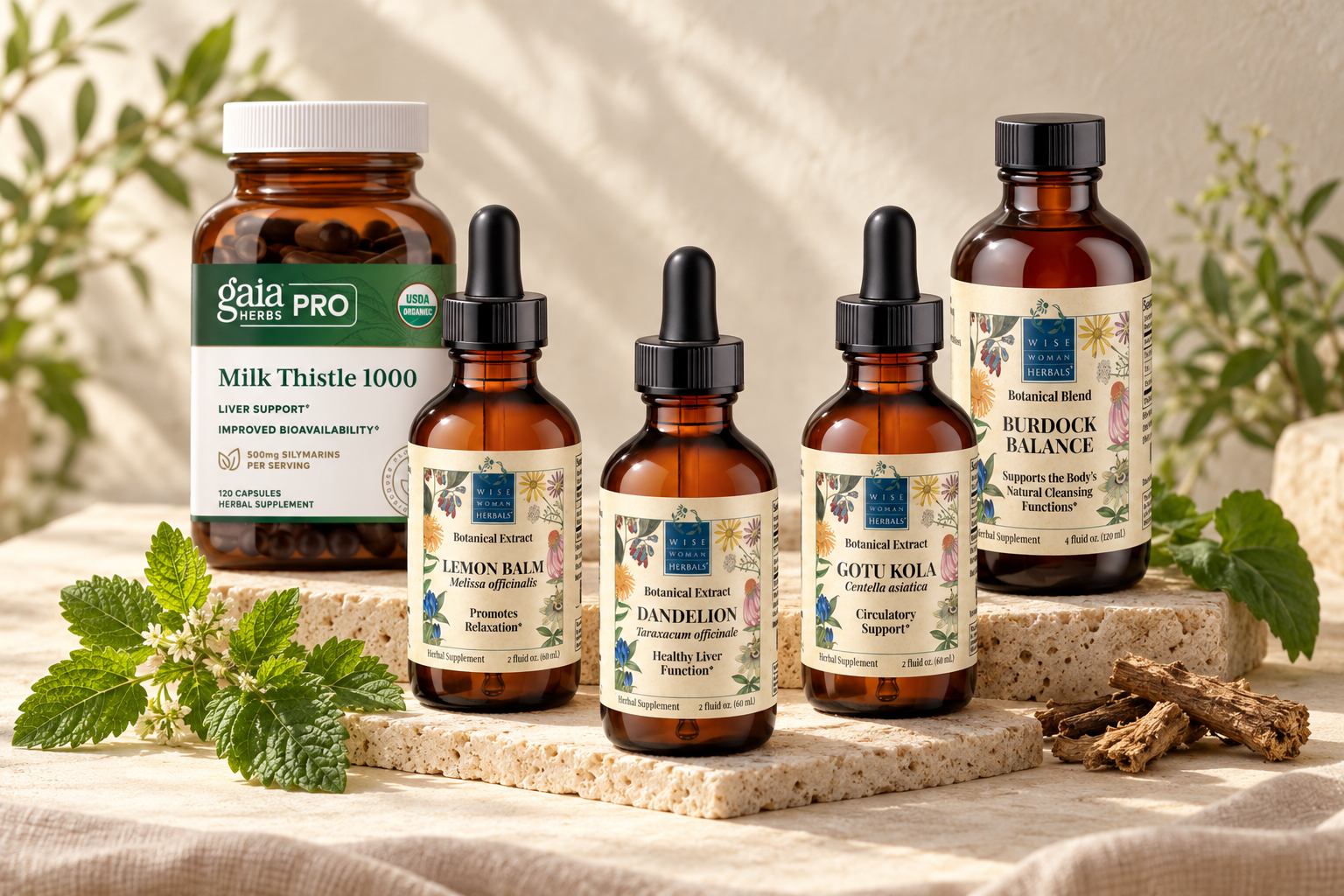

02 / A note from Dr. Michele
Sometimes you are drawn to one particular plant. I want you to know that plant more closely: its name, the part being used, and the way it has been prepared. A root, a leaf, a tincture, and a capsule each tell a different story.
These are the details I look for in the brands I trust. This edit focuses on single-plant preparations—capsules, tinctures, and glycerites—for those who feel called to a specific plant at a specific time, with thoughtful attention to quality and individual suitability.
03 / Begin with the foundations
What draws you to this plant: a food tradition, a tea ritual, or a specific health question? The answer shapes the preparation and the evidence you need.
A single-plant formula can make the ingredient story easier to follow. It can still contain carriers, alcohol, glycerin, or capsule materials, so read the complete label.
Food, rest, movement, and your existing care remain the foundations. Herbal traditions can enrich daily life without requiring a new bottle for every concern.
04 / Inside the Edit
Each selection has its own role. Read the preparation, consider what you already take, and choose what belongs in your routine.
01 / RESTORATIVE TRADITIONS
Individual selections, considered alongside the foundations of care.
02 / WOMEN’S HERBAL TRADITIONS
Individual selections, considered alongside the foundations of care.
03 / DIGESTION & NOURISHMENT
Individual selections, considered alongside the foundations of care.
04 / THE WIDER BOTANICAL LIBRARY
Individual selections, considered alongside the foundations of care.
05 / The science behind my selections

Gaia Herbs Pro
The formulation. Withania somnifera. Plant part: Confirm the plant part on the current manufacturer label. Preparation: Capsule extract standardized to withanolides. Withanolides; the profile varies with plant part and extraction.
The physiology. I chose this capsule preparation for its focused approach to a restorative Ayurvedic root. It is an easy-to-understand selection for the stress-and-rest conversation. A Wise Woman Herbals liquid extract is also in the collection. An Ayurvedic rasayana traditionally associated with restoration and resilience.
The human evidence. Some short-term trials of particular extracts suggest benefits for stress and insomnia. Small samples, differing extracts and limited long-term data prevent a general claim for every ashwagandha product.
Individual considerations. Avoid in pregnancy and breastfeeding. Review thyroid or autoimmune disease and thyroid medicines, sedatives, immunosuppressants, anticonvulsants, glucose- and blood-pressure medicines. GI upset and drowsiness occur; rare liver injury is reported. The number in the product name does not explain the whole formula. Check the current Supplement Facts for the amount and whether the preparation contains root, leaf or both.
Shop This Product
Wise Woman Herbals
The formulation. Withania somnifera. Plant part: Fresh root. Preparation: Water/alcohol liquid extract. Withanolides; the profile varies with plant part and extraction.
The physiology. An Ayurvedic rasayana traditionally associated with restoration and resilience.
The human evidence. Some short-term trials of particular extracts suggest benefits for stress and insomnia. Small samples, differing extracts and limited long-term data prevent a general claim for every ashwagandha product.
Individual considerations. Avoid in pregnancy and breastfeeding. Review thyroid or autoimmune disease and thyroid medicines, sedatives, immunosuppressants, anticonvulsants, glucose- and blood-pressure medicines. GI upset and drowsiness occur; rare liver injury is reported.
Shop This Product
Gaia Herbs Pro
The formulation. Origanum vulgare. Plant part: Confirm the plant part on the current manufacturer label. Preparation: Encapsulated supercritical CO2 oregano oil extract. Volatile phenols including carvacrol and thymol.
The physiology. These capsules bring oregano’s aromatic compounds into a concentrated oil preparation. I chose them as a focused apothecary option, with the full formula and intended use explained on the label. A Mediterranean culinary herb; concentrated oils also have a history of respiratory and digestive use.
The human evidence. Laboratory antimicrobial activity has not established that oral oregano oil treats human infections. No efficacy claim is established for the listed capsule.
Individual considerations. Concentrated oil may irritate the gastrointestinal tract and cause allergy. Avoid supplement-level use in pregnancy. Culinary use is a different exposure. Carvacrol and thymol are among the compounds described for this preparation. Check the current label for the plant part and amounts so you know which oregano product you are considering.
Shop This Product
Gaia Herbs Pro
The formulation. Vitex agnus-castus. Plant part: Berry. Preparation: Capsulated full-spectrum berry extract. Agnuside and casticin are chemical quality markers; marker content varies substantially between products.
The physiology. Gaia’s Vitex capsules are my featured preparation of the chaste-tree berry, chosen for its place in premenstrual support. For those who prefer a liquid, the collection also includes a Wise Woman Herbals extract. Traditionally used for menstrual-cycle symptoms.
The human evidence. Some evidence supports PMS and cyclic breast discomfort, but study quality varies. Evidence does not establish infertility treatment or general progesterone replacement; menopause evidence is preliminary.
Individual considerations. Avoid during pregnancy and breastfeeding. Review hormone-sensitive conditions and hormone-related treatment with a clinician; adverse effects can include nausea, headache and skin symptoms. Progesterone Support is part of the product’s name. That name does not establish that the formula contains or replaces progesterone; the ingredients and your clinical context are what matter.
Shop This Product
Wise Woman Herbals
The formulation. Vitex agnus-castus. Plant part: Berry. Preparation: Water/alcohol/glycerin liquid extract. Agnuside and casticin are chemical quality markers; marker content varies substantially between products.
The physiology. Traditionally used for menstrual-cycle symptoms.
The human evidence. Some evidence supports PMS and cyclic breast discomfort, but study quality varies. Evidence does not establish infertility treatment or general progesterone replacement; menopause evidence is preliminary.
Individual considerations. Avoid during pregnancy and breastfeeding. Review hormone-sensitive conditions and hormone-related treatment with a clinician; adverse effects can include nausea, headache and skin symptoms.
Shop This Product
Gaia Herbs Pro
The formulation. Actaea racemosa (syn. Cimicifuga racemosa). Plant part: Confirm the plant part on the current manufacturer label. Preparation: Capsule extract. Triterpene glycosides.
The physiology. I feature this single-botanical selection for the conversation about comfort through menopause. It keeps the focus on black cohosh and makes the preparation easy to connect with the plant’s story. North American traditional medicine; modern preparations are commonly studied for menopausal symptoms.
The human evidence. Some extracts show benefit for menopausal symptoms, but results and preparations vary. Evidence for one standardized extract is not proof for every capsule.
Individual considerations. Rare liver injury has been reported, with causality sometimes uncertain. Seek review with liver disease or hormone-sensitive conditions. Pregnancy and breastfeeding use may be unsafe. Root/rhizome is typical in the species monograph; exact product part and full current label need confirmation.
Shop This Product
Gaia Herbs Pro
The formulation. Silybum marianum. Plant part: Seed. Preparation: Capsulated seed extract standardized to silymarins. Silymarin, a mixture of flavonolignans including silibinin. A concentrated milk-thistle fruit extract supplying silymarins.
The physiology. This is my featured preparation of a classic liver-support botanical. Its silymarin information gives the fruit’s research story a useful connection to the label. A long-standing European liver and digestive botanical. Silymarin compounds have antioxidant and hepatocyte-related effects in laboratory research and a long history of liver-focused herbal use.
The human evidence. Human liver-disease studies are conflicting or too limited to establish benefit. The evidence does not support a general liver detoxification promise. This does not establish improved fertility or show that a healthy person needs liver cleansing before conception.
Individual considerations. GI symptoms and allergic reactions can occur, particularly in people sensitive to ragweed-family plants. Medication review is appropriate; pregnancy and breastfeeding data are limited. Gaia advises against milk-thistle use in pregnancy. Review use while trying to conceive, existing liver disease, medicines and allergy to related plants before selecting it.
Shop This Product
Gaia Herbs Pro
The formulation. Sambucus nigra (studied species); confirm species on each product label. Plant part: Elderberry fruit plus acerola fruit. Preparation: Capsules containing elderberry extract and acerola. Anthocyanins and other polyphenols.
The physiology. I chose this capsule form for a simple way to explore the prepared berry. The collection also includes an elderberry syrup, bringing a different texture and experience to the same seasonal tradition. Prepared elderberries have a history of seasonal respiratory use.
The human evidence. Small preliminary studies suggest symptom effects in colds or influenza; reliable evidence for prevention or treatment is insufficient. Do not frame as an antiviral medicine.
Individual considerations. Raw or unripe berries and other plant parts can contain cyanogenic compounds. Prepared commercial extracts are distinct, but current label directions still matter. Pregnancy and breastfeeding safety is uncertain. Elderberry is one part of this blend. Read the complete label for the other ingredients, their amounts and the acerola species before deciding whether this is the preparation you want.
Shop This Product
Wise Woman Herbals
The formulation. Sambucus nigra (studied species); confirm species on each product label. Plant part: Berry. Preparation: Glycerin-based syrup. Anthocyanins and other polyphenols.
The physiology. Prepared elderberries have a history of seasonal respiratory use.
The human evidence. Small preliminary studies suggest symptom effects in colds or influenza; reliable evidence for prevention or treatment is insufficient. Do not frame as an antiviral medicine.
Individual considerations. Raw or unripe berries and other plant parts can contain cyanogenic compounds. Prepared commercial extracts are distinct, but current label directions still matter. Pregnancy and breastfeeding safety is uncertain. This entry is for the plain elderberry syrup. Elderberry Plus is a different formula. Check the current label for the Sambucus species used.
Shop This Product
Gaia Herbs Pro
The formulation. Bacopa monnieri. Plant part: Confirm the plant part on the current manufacturer label. Preparation: Concentrated plant extract in capsules. Bacosides and related triterpenoid saponins.
The physiology. I feature Gaia’s Bacopa for its focus on the Ayurvedic herb associated with memory and learning. The identified extract makes the link between the botanical and the preparation clear. An Ayurvedic rasayana traditionally linked with memory and learning; brahmi is also used as a common name for gotu kola.
The human evidence. Some trials of standardized extracts found improvements in selected memory measures after repeated use. Outcomes do not establish dementia treatment, immediate effects or equivalence to this formula.
Individual considerations. GI upset is a recurring concern in trials. Manufacturer guidance advises against use in pregnancy or lactation and calls for review with medical conditions or medicines. Gaia’s plant guide describes the aerial parts of bacopa. The current product label is the place to confirm which part is used in this particular preparation.
Shop This Product
Gaia Herbs Pro
The formulation. Camellia sinensis. Plant part: Leaf. Preparation: Concentrated leaf extract in capsules. Catechins, including EGCG, other polyphenols and potentially caffeine.
The physiology. This selection brings green tea into a concentrated capsule preparation. It offers a different way to explore the leaf’s compounds, with the amount and full formula described on the label. A widely consumed beverage with a long East Asian history; concentrated extracts are a different exposure.
The human evidence. Some studies show small cholesterol changes. Weight effects are modest and variable, and broad cancer-prevention claims are not established. Beverage research cannot simply be applied to concentrated capsules.
Individual considerations. Rare liver injury is associated with concentrated extracts. Review liver disease and medicines including nadolol, atorvastatin and raloxifene. Caffeine may cause sleep or cardiovascular effects; pregnancy requires review. This concentrated preparation differs from a cup of brewed tea. Check the current label for its caffeine content and catechin standardization before adding it to your routine.
Shop This Product
Gaia Herbs Pro
The formulation. Rhodiola rosea. Plant part: Confirm the plant part on the current manufacturer label. Preparation: Liquid Phyto-Caps extract. Rosavins and salidroside; standardization differs among preparations.
The physiology. I chose these capsules for readers interested in rhodiola’s traditional role during demanding periods. A Wise Woman Herbals liquid extract is also available in the collection, giving the root two distinct preparations. Russian and Scandinavian traditional use centers on fatigue and endurance.
The human evidence. Stress and fatigue studies are generally small and methodologically limited. NCCIH considers evidence insufficient for definite health conclusions; neither tincture nor capsule should promise restored adrenal function.
Individual considerations. Dizziness, headache, insomnia and dry mouth may occur. Review medications, including losartan; pregnancy and breastfeeding safety is not established. Rosavins are among the compounds described for this preparation. The current label can tell you more about the plant part, extraction and amount, which help distinguish one rhodiola product from another.
Shop This Product
Wise Woman Herbals
The formulation. Rhodiola rosea. Plant part: Root. Preparation: Water/alcohol/glycerin liquid extract. Rosavins and salidroside; standardization differs among preparations.
The physiology. Russian and Scandinavian traditional use centers on fatigue and endurance.
The human evidence. Stress and fatigue studies are generally small and methodologically limited. NCCIH considers evidence insufficient for definite health conclusions; neither tincture nor capsule should promise restored adrenal function.
Individual considerations. Dizziness, headache, insomnia and dry mouth may occur. Review medications, including losartan; pregnancy and breastfeeding safety is not established.
Shop This Product
Gaia Herbs Pro
The formulation. Crataegus spp. Plant part: Berry, leaf and flower. Preparation: Capsule extract. Flavonoids and oligomeric procyanidins.
The physiology. Hawthorn’s long connection to heart care is the reason for its place in this collection. The featured capsules sit alongside a solid extract, each offering its own preparation of this beloved botanical. A European tradition of heart and circulatory support; berries, leaves and flowers are distinct materials.
The human evidence. Evidence in heart failure is conflicting. Findings from specific leaf-and-flower extracts do not establish equivalent effects for a berry-only syrup, nor broad prevention of cardiovascular disease.
Individual considerations. Review use with cardiac and blood-pressure medicines. Dizziness and GI symptoms may occur. Chest pain, breathlessness or new swelling require medical assessment rather than self-treatment. Distinct from the Wise Woman berry-only solid extract.
Shop This Product
Wise Woman Herbals
The formulation. Crataegus spp. Plant part: Berry. Preparation: Concentrated botanical syrup / solid extract in glycerin and honey. Flavonoids and oligomeric procyanidins.
The physiology. A European tradition of heart and circulatory support; berries, leaves and flowers are distinct materials.
The human evidence. Evidence in heart failure is conflicting. Findings from specific leaf-and-flower extracts do not establish equivalent effects for a berry-only syrup, nor broad prevention of cardiovascular disease.
Individual considerations. Review use with cardiac and blood-pressure medicines. Dizziness and GI symptoms may occur. Chest pain, breathlessness or new swelling require medical assessment rather than self-treatment. Honey-containing preparation; not for infants. Current manufacturer may call it botanical syrup.
Shop This Product
Gaia Herbs Pro
The formulation. Ocimum tenuiflorum (syn. Ocimum sanctum). Plant part: Leaf. Preparation: Capsules with supercritical and water/alcohol extracts. Eugenol, rosmarinic acid, ursolic acid and other polyphenols.
The physiology. Gaia’s Holy Basil brings tulsi into a capsule form. I chose it for the plant’s restorative tradition and the growing conversation around perceived stress and rest. A sacred Ayurvedic plant traditionally used as a rasayana and for resilience.
The human evidence. An eight-week randomized trial of a named extract reported stress and sleep improvements. This is promising but does not establish every extract, long-term benefit or treatment of an anxiety disorder.
Individual considerations. Manufacturer guidance advises against pregnancy use. Review glucose-lowering medicines and other drugs; pregnancy, breastfeeding and longer-term safety remain insufficiently established.
Shop This Product
Gaia Herbs Pro
The formulation. Althaea officinalis. Plant part: Fresh root. Preparation: Liquid extract. Mucilage polysaccharides.
The physiology. This liquid preparation keeps the focus on the root behind marshmallow’s soothing herbal identity. I chose it as a straightforward introduction to the plant’s traditional throat-and-digestion story. A European demulcent tradition for irritated mouth, throat and digestive mucosa.
The human evidence. EMA conclusions for irritation, dry cough and mild GI discomfort rest on traditional use. Clinical studies are too limited to establish efficacy; different extracts need not retain the same mucilage profile.
Individual considerations. Mucilage can affect absorption of oral medicines, so ask a pharmacist about separation. Persistent cough, swallowing difficulty or ongoing GI symptoms need assessment. Check alcohol content and pregnancy suitability. Check the current label for alcohol and extraction details.
Shop This Product
Gaia Herbs Pro
The formulation. Ginkgo biloba. Plant part: Leaf. Preparation: Capsule extract. Flavonoid glycosides and terpene lactones.
The physiology. The featured selection is a prepared ginkgo-leaf extract. I look for a clearly described formula when connecting this ancient tree with the much more specific research around its modern extracts. Long Chinese traditional use; modern research generally concerns selected leaf extracts.
The human evidence. Large trials do not show prevention of dementia. Cognitive benefits in healthy people are unproven, and symptom studies use specific extracts that cannot be assumed equivalent to this capsule.
Individual considerations. Review anticoagulants and other medicines because of bleeding concerns. GI upset, dizziness and headache may occur. Raw seeds are toxic; leaf-extract evidence does not apply to seeds. Many ginkgo studies use a specific standardized extract called EGb 761. This product has not been established as the same preparation, so those findings cannot be applied to it directly.
Shop This Product
Gaia Herbs Pro
The formulation. Piper methysticum. Plant part: Root. Preparation: Liquid extract from noble kava cultivars. Kavalactones.
The physiology. Kava 50 is the liquid root preparation in my collection. Its defined identity keeps the discussion focused on the actual botanical, with the research and individual suitability considerations available below. A South Pacific beverage and ceremonial plant, traditionally associated with relaxation.
The human evidence. Some anxiety symptoms may improve in studies, but evidence for generalized anxiety disorder is uncertain. The listed liquid is not established as equivalent to trial preparations.
Individual considerations. Rare severe or fatal liver injury has occurred, including with aqueous preparations. Avoid alcohol and sedative combinations; impairment can affect driving. Avoid in pregnancy and breastfeeding; liver disease requires clinician review. Noble-cultivar/root identity does not remove the liver-injury warning.
Shop This Product
Gaia Herbs
The formulation. Nigella sativa. Plant part: Seed. Preparation: Cold-pressed oil capsules. Thymoquinone and a fatty-acid-rich seed oil.
The physiology. I feature this Nigella sativa oil for its distinct composition and its place in the seasonal-comfort conversation. It brings a concentrated side of the familiar culinary seed into the apothecary. Used in Middle Eastern and South Asian food and herbal traditions, including respiratory and digestive contexts.
The human evidence. Small trials report changes in blood pressure or metabolic markers; they do not establish treatment of cardiovascular disease or respiratory illness. Products, extracts and seed powder differ.
Individual considerations. GI effects and allergy are possible. Review blood-pressure and glucose-lowering medicines because additive effects are plausible. Supplement-level pregnancy and breastfeeding safety is insufficiently established. This is Gaia Herbs’ black seed oil preparation. The product information linked below explains its ingredients and preparation in more detail.
Shop This Product
Wise Woman Herbals
The formulation. Glycyrrhiza spp. (commonly G. glabra, G. uralensis or G. inflata); confirm label species. Plant part: Root. Preparation: Concentrated glycerin botanical syrup / solid extract. Glycyrrhizin and flavonoids; deglycyrrhizinated licorice (DGL) is a distinct preparation.
The physiology. The solid extract highlights licorice’s rich, sweet character. An alcohol-free root extract is also in the collection. Both keep the focus on the traditional root; their specific compositions are explained on the labels. Used in Chinese and European traditions for digestive and respiratory complaints.
The human evidence. High-quality evidence is insufficient for broad therapeutic claims. Findings about DGL cannot be transferred to a regular root extract; alcohol-free does not mean glycyrrhizin-free.
Individual considerations. Glycyrrhizin can cause hypertension, low potassium, fluid retention and dangerous arrhythmias. Avoid in pregnancy; particular concern with heart or kidney disease and interacting drugs, including corticosteroids and potassium-affecting medicines. This preparation is not confirmed as DGL licorice. The safety considerations associated with glycyrrhizin still matter. Check the current label for the Glycyrrhiza species and formulation.
Shop This Product
Wise Woman Herbals
The formulation. Glycyrrhiza spp. (commonly G. glabra, G. uralensis or G. inflata); confirm label species. Plant part: Root. Preparation: Glycerin/water extract with fennel essential oil and potassium sorbate. Glycyrrhizin and flavonoids; deglycyrrhizinated licorice (DGL) is a distinct preparation.
The physiology. Used in Chinese and European traditions for digestive and respiratory complaints.
The human evidence. High-quality evidence is insufficient for broad therapeutic claims. Findings about DGL cannot be transferred to a regular root extract; alcohol-free does not mean glycyrrhizin-free.
Individual considerations. Glycyrrhizin can cause hypertension, low potassium, fluid retention and dangerous arrhythmias. Avoid in pregnancy; particular concern with heart or kidney disease and interacting drugs, including corticosteroids and potassium-affecting medicines. Alcohol-free is not the same as deglycyrrhizinated. Additional ingredients are relevant to allergy review.
Shop This Product
Wise Woman Herbals
The formulation. Melissa officinalis. Plant part: Dried aerial parts. Preparation: Water/alcohol liquid extract. Rosmarinic acid and other hydroxycinnamic-acid derivatives; volatile constituents vary.
The physiology. I chose this Melissa officinalis liquid extract for the fragrant leaf behind lemon balm’s calming tradition. It offers a different preparation from the familiar cup of tea, with a clear single-botanical identity. European traditional use for mild stress, sleep and digestive discomfort.
The human evidence. EMA traditional-use conclusions are not proof of a modern anxiety or insomnia treatment. Small studies and combination formulas cannot establish this aerial-parts tincture’s benefit.
Individual considerations. May affect alertness; review sedatives and activities requiring attention. Pregnancy and breastfeeding safety is not established. Alcohol-containing tinctures require separate suitability review. Not the separately sold glycerite.
Shop This Product
Wise Woman Herbals
The formulation. Schisandra chinensis. Plant part: Berry. Preparation: Water/alcohol liquid extract. Lignans including schisandrins; exact profile and quantity vary by extract.
The physiology. This liquid extract features Schisandra chinensis, the five-flavor berry. I chose it for its connection to the restorative Chinese herbal tradition and its distinctive place among the tonic botanicals. The five-flavor fruit is a long-standing Chinese tonic; its adaptogen framing developed later.
The human evidence. A small placebo-controlled menopause study and other limited human work are preliminary. Evidence does not establish general liver protection, athletic performance or equivalence of the two listed liquids.
Individual considerations. Review prescriptions because effects on drug handling can be clinically relevant. Use caution with hypertension, diabetes and psychiatric medicines. Pregnancy or breastfeeding use needs specialist review.
Shop This Product
Wise Woman Herbals
The formulation. Scutellaria lateriflora. Plant part: Leaf. Preparation: Water/alcohol liquid extract. Flavonoids including scutellarin and baicalin.
The physiology. I chose this American skullcap extract for its traditional place in helping the evening feel quieter. The label identifies Scutellaria lateriflora, the leafy species behind this particular calming herbal story. A North American relaxing nervine; distinct from Chinese skullcap, S. baicalensis.
The human evidence. Small healthy-volunteer studies offer preliminary mood or anxiety signals, not reliable evidence for treating anxiety disorders. Species, plant part and authenticity matter.
Individual considerations. Review sedating medicines and alcohol. Liver injury reports involving skullcap products are complicated by mixtures or adulteration; discontinue and obtain care for liver symptoms. Pregnancy and breastfeeding data are insufficient. This preparation uses American skullcap leaf. Chinese skullcap root is a different botanical preparation with its own research; the two are not interchangeable.
Shop This Product
Wise Woman Herbals
The formulation. Urtica dioica. Plant part: Aerial parts. Preparation: Water/alcohol liquid extract. Phenolic acids and flavonol glycosides are among nettle’s constituents. This tincture has no established role as a mineral supplement.
The physiology. This is my featured nettle preparation, with a separate nettle-root extract also in the collection. I like making the plant part visible so each bottle connects clearly with its own herbal role. European traditions use nettle herb for urinary and minor joint complaints; food use is distinct.
The human evidence. EMA distinguishes herb from root and recognizes traditional uses. Evidence does not establish this tincture as an allergy treatment, nutritional replacement or cure for inflammatory disease.
Individual considerations. Review kidney or heart disease, fluid restriction and medicines. GI or allergic reactions may occur. Pregnancy and breastfeeding safety is not established. This is a different preparation from nettle root. It should not be counted on to provide meaningful amounts of minerals in your diet.
Shop This Product
Wise Woman Herbals
The formulation. Urtica dioica. Plant part: Root. Preparation: Water/alcohol liquid extract. Lignans, phytosterols and lectins; root chemistry differs from aerial nettle.
The physiology. European herbal use centers on lower urinary symptoms associated with an enlarged prostate, after medical assessment.
The human evidence. Trials and EMA assessment concern selected root preparations. Evidence for aerial nettle cannot be substituted, and this tincture is not established as equivalent to studied extracts.
Individual considerations. Urinary symptoms require evaluation to rule out serious causes. Blood in urine, retention, fever or painful urination need prompt care. GI and allergic reactions are possible; medicine review is appropriate.
Shop This Product
Wise Woman Herbals
The formulation. Taraxacum officinale. Plant part: Root. Preparation: Water/alcohol/glycerin liquid extract. Bitter glycosides, triterpenoids and inulin; amounts retained in tinctures are not quantified here.
The physiology. This liquid extract keeps the focus on dandelion’s bitter root. I chose it as a clear expression of the traditional digestive story, with the plant part named directly on the label. Traditionally used as a bitter digestive and for urinary or liver-related complaints.
The human evidence. NCCIH finds very little human research and no compelling evidence supporting use for a health condition. Root and leaf preparations should be distinguished.
Individual considerations. Possible allergy, especially with related plants. Review diabetes medicines, diuretics, anticoagulants and other drugs. Safety above food amounts during pregnancy or breastfeeding is unclear.
Shop This Product
Wise Woman Herbals
The formulation. Centella asiatica. Plant part: Whole plant. Preparation: Water/alcohol/glycerin liquid extract. Triterpenes including asiaticoside and madecassoside.
The physiology. I feature this Centella asiatica liquid extract for the oral herbal side of gotu kola’s story. The single-botanical identity makes it easy to understand the preparation being considered. Used in South Asian traditions for skin, connective tissue and cognition.
The human evidence. Oral cognitive and venous studies are limited and use particular extracts. EMA’s traditional topical minor-wound use does not validate an oral tincture.
Individual considerations. Rare acute liver injury has been reported. Review liver disease and other medicines; GI or allergic reactions can occur. Pregnancy, breastfeeding and prolonged oral use need clinician review. This is oral; topical wound-use assessments do not establish oral efficacy.
Shop This Product
Wise Woman Herbals
The formulation. Hydrastis canadensis. Plant part: Root. Preparation: Water/alcohol liquid extract. Berberine and other alkaloids; isolated berberine is not equivalent to goldenseal.
The physiology. This extract identifies Hydrastis canadensis, the goldenseal of North American herbal tradition. I chose a clearly named preparation for a botanical whose identity and source deserve particular attention. A North American traditional botanical for mucous-membrane and digestive complaints.
The human evidence. No rigorous human trials establish efficacy for health conditions. Berberine trial results cannot be transferred to the whole herb.
Individual considerations. Substantial interaction potential through drug metabolism; a study found reduced metformin exposure. Avoid during pregnancy or breastfeeding and in infants. Product identity and sourcing deserve attention.
Shop This Product
Wise Woman Herbals
The formulation. Rosa spp.; exact species not verified for the listed syrup. Plant part: Fruit. Preparation: Concentrated glycerin botanical syrup / solid extract. Polyphenols; vitamin C content is processing-dependent and is not quantified here.
The physiology. I chose this solid extract for its connection to rosehip’s food and herbal traditions. It brings the fruit into a concentrated preparation with a character of its own. Rose fruits have a food and traditional seasonal-wellness history.
The human evidence. Some osteoarthritis trials studied a specific Rosa canina seed-and-shell powder. Those findings do not establish the glycerin fruit extract’s joint or vascular benefits.
Individual considerations. GI effects and allergy are possible. Verify species and ingredients; pregnancy, breastfeeding and medicine interactions are not well characterized for this concentrated syrup. The Rosa species in this syrup needs confirmation from the current label. It is a different preparation from the rose hip powder made from seeds and shells that has been studied for joint symptoms.
Shop This Product
Wise Woman Herbals
The formulation. Eleutherococcus senticosus. Plant part: Root. Preparation: Concentrated botanical syrup / solid extract in glycerin and honey. Eleutherosides are among the plant’s characteristic compounds. The amount in this particular preparation is not specified here.
The physiology. The solid-extract format gives this traditional tonic a rich, distinctive preparation. I chose it for readers exploring eleuthero’s restorative story and the idea of rebuilding everyday reserves. Known as Siberian ginseng, though not a Panax ginseng; traditional use concerns fatigue and weakness.
The human evidence. EMA regards fatigue/weakness use as traditional because trial limitations prevent firm conclusions. It does not validate broad claims to repair adrenal function.
Individual considerations. Insomnia, irritability, headache and rapid heartbeat have been reported. Review cardiovascular disease, hypertension and prescriptions. Pregnancy, breastfeeding and long-term use need assessment. Check the bottle size before ordering: this selection has appeared with both 4 oz and 60 mL descriptions. It contains honey and is not suitable for infants.
Shop This Product
Wise Woman Herbals
The formulation. Passiflora incarnata. Plant part: Aerial parts. Preparation: Water/alcohol/glycerin liquid extract. Flavonoids including vitexin, isovitexin and orientin; specific marker content in this tincture is unverified.
The physiology. This liquid extract names Passiflora incarnata, the vine behind the Western calming tradition. I chose it as a focused botanical for the conversation about settling into an evening rhythm. Traditionally used for calming and sleep.
The human evidence. Small studies suggest possible anxiety and sleep effects, but results are mixed and preparations vary. Evidence is insufficient for firm clinical conclusions.
Individual considerations. Drowsiness, dizziness or confusion can occur. Review sedatives, alcohol and anesthesia. Avoid during pregnancy because uterine contractions may occur; breastfeeding data are limited. Not the glycerite or solid extract.
Shop This Product
Wise Woman Herbals
The formulation. Astragalus membranaceus. Plant part: Confirm the plant part on the current manufacturer label. Preparation: Liquid preparation; current manufacturer details unverified. Polysaccharides, saponins and flavonoids are among the plant’s constituents. Their amounts in this preparation are not specified here.
The physiology. This root extract brings astragalus’s long tonic tradition into a clearly identified liquid preparation. Its place in the collection reflects the herbal emphasis on nourishment and resilience over time. A Chinese traditional root tonic associated with qi and resilience.
The human evidence. Reliable evidence is insufficient to establish benefit for a health condition. Small or low-quality studies of immune or metabolic markers do not justify broad immunity or disease-treatment claims.
Individual considerations. Avoid with autoimmune disease unless specifically supervised; it may interact with immunosuppressants. Pregnancy and breastfeeding safety is inadequately established. Review medicines and significant illness. Some listings describe an astragalus root extract made with alcohol and water. Confirm the plant part and extraction details on the current manufacturer label before choosing this preparation.
Shop This Product
Wise Woman Herbals
The formulation. Arctium lappa. Plant part: Root and seed. Preparation: Water/alcohol/glycerin liquid extract. Inulin, polyacetylenes, tannins and other phenolics; root and seed proportions and extract yield matter. Burdock root and seed in water, organic cane alcohol and vegetable glycerin.
The physiology. Burdock Balance is the formula I feature in the botanical and skin-focused collections. It places burdock within a blend, reflecting the tradition of considering skin and digestion together. European and Asian food and herbal traditions include root use for digestive, skin and urinary complaints. An Arctium lappa tincture with traditional use in skin and digestive herbalism; the root-and-seed preparation matters.
The human evidence. EMA root traditional-use material does not establish this root-and-seed blend’s efficacy. General detoxification or clear-skin claims are not established by robust product-specific trials. Traditional use provides context, but robust evidence that this finished tincture clears acne, eczema, or systemic toxins was not established in this review.
Individual considerations. Review allergy to related plants, pregnancy, breastfeeding and medicines. New edema or persistent skin disease needs assessment. The safety of a food root cannot be assumed for concentrated root-and-seed tincture. Two parts of one species; root-only assessments do not establish the seed blend. Contains alcohol. Consider botanical allergies and medication review; pregnancy and breastfeeding safety is insufficiently established. Read the current product label for the complete ingredients, directions and any details that matter to your health.
Shop This Product
Wise Woman Herbals
The formulation. Echinacea purpurea and Echinacea angustifolia. Plant part: E. purpurea fresh root and flower; E. angustifolia fresh root. Preparation: Water/alcohol/glycerin multi-species liquid extract. Alkamides, caffeic-acid derivatives and polysaccharides vary by species and part.
The physiology. Echinacea Royal is the preparation featured in my seasonal botanical collection. Its label details the species and plant parts, helping connect the familiar flower with the full formula. North American traditional use; modern preparations commonly concern colds.
The human evidence. Some preparations may slightly reduce cold risk, while effects on duration are uncertain. Results across different species, parts and extracts are not interchangeable.
Individual considerations. Allergic reactions can be severe, particularly with sensitivity to related plants. GI symptoms may occur; review immunosuppressants and other medicines. Pregnancy and breastfeeding decisions require individual advice. This blend brings together two echinacea species and more than one plant part. Review the bottle’s ingredient panel for the exact combination and preparation you are choosing.
Shop This Product
Gaia Herbs Pro
The formulation. Asparagus racemosus. Plant part: Confirm the plant part on the current manufacturer label. Preparation: Multi-herb capsules with standardized shatavari extract. Steroidal saponins known as shatavarins; the listed formula contains additional botanicals. A shatavari-root extract blend with supporting botanicals including damiana, white peony, milky oats and tribulus.
The physiology. I feature Gaia Herbs Pro Shatavari Complex for the changing years around menopause. It brings Aspurūs shatavari-root extract together with damiana, rehmannia, white peony, tribulus, epimedium, and milky oats—a botanical formula centered on this chapter of women’s wellbeing. An Ayurvedic rasayana traditionally associated with reproductive health. Shatavari is used traditionally in Ayurveda for women’s health; its steroidal saponins and other compounds are being studied for menopausal support.
The human evidence. Small short-term trials of specific root extracts, including Aspurūs, report menopausal symptom improvement. They do not validate the complete Gaia multi-herb blend or establish long-term safety and hormone effects. Small ingredient studies and traditional use do not establish that this entire blend reliably relieves vaginal dryness or all menopausal symptoms.
Individual considerations. Review asparagus allergy, hormone-sensitive conditions, pregnancy, breastfeeding and all medicines. Safety review must cover every formula ingredient rather than shatavari alone; a current full label is needed. Shatavari is part of a wider botanical blend here. Gaia highlights Aspurūs shatavari, damiana, white peony, milky oats and tribulus. The complete current label matters, especially because some listings also mention rehmannia and epimedium. Research on shatavari alone cannot tell us how this finished blend performs. The product is not for pregnancy or lactation. Review hormone-sensitive conditions, medications and persistent vaginal discomfort with the clinician; symptoms may need a specific diagnosis and treatment.
Shop This Product
Gaia Herbs Pro
The formulation. Hericium erinaceus. Plant part: Mushroom fruiting body. Preparation: Extracted mushroom capsules. Beta-glucans and other polysaccharides; hericenones are associated with fruiting bodies. Erinacine-enriched mycelium is a different preparation.
The physiology. I chose this preparation because it identifies Hericium erinaceus fruiting-body extracts. That clarity connects the remarkable mushroom with what is actually in the capsule and gives the cognitive-wellbeing conversation a useful starting point. An edible fungus used in Chinese and Japanese food and traditional medicine; it is not a plant.
The human evidence. Small human studies suggest possible cognitive effects. The 2009 trial involved only 30 people with mild cognitive impairment; this does not establish dementia prevention or treatment. Fruiting-body and mycelium studies are not interchangeable.
Individual considerations. Avoid with mushroom allergy. GI upset or hypersensitivity may occur; long-term, pregnancy and breastfeeding safety remain inadequately characterized. This preparation uses fruiting bodies without mycelium. That detail matters: studies of mycelium enriched with erinacines cannot tell us how this different preparation will perform.
Shop This Product
Gaia Herbs Pro
The formulation. Olea europaea. Plant part: Leaf. Preparation: Concentrated liquid extract in capsules. Oleuropein and related phenolics.
The physiology. This concentrated leaf extract identifies oleuropein on its label. I chose it for a clear connection between the olive leaf’s characteristic compounds and the capsule preparation. Mediterranean herbal use includes urinary water elimination.
The human evidence. EMA recognizes traditional use for certain leaf preparations, based on limited clinical evidence. Those findings do not establish antimicrobial, cardiovascular or immune benefits for this concentrated capsule.
Individual considerations. Review severe heart or kidney disease and situations requiring fluid restriction. Medicines and pregnancy or breastfeeding warrant individual review; do not treat unexplained fluid retention with a supplement.
Shop This Product
Gaia Herbs Pro
The formulation. Hypericum perforatum. Plant part: Confirm the plant part on the current manufacturer label. Preparation: Capsules; exact current preparation unverified. Hyperforin and hypericins; proportions affect pharmacology and interactions.
The physiology. Gaia’s preparation identifies Hypericum perforatum aerial-parts extract and hypericins. I feature it as a specific botanical within an individualized approach to mood, with the research and interaction details together below. A European traditional flowering herb; modern use commonly concerns mood.
The human evidence. Some preparations have evidence for mild-to-moderate depression, but severe depression and long-term effects remain uncertain. Product composition matters; professional assessment should precede mood treatment.
Individual considerations. Numerous important interactions include antidepressants, hormonal contraception, transplant drugs, anticonvulsants, HIV and cancer medicines, warfarin and digoxin. Photosensitivity and activation can occur. Avoid self-combining with psychiatric medicines. Species reference: https://professionals.gaiaherbs.com/HerbsReferenceGuide/st-johns-wort . Current formula, standardization and availability need verification.
Shop This Product
Wise Woman Herbals
The formulation. Angelica sinensis. Plant part: Root. Preparation: Water/alcohol/glycerin liquid extract. Ferulic acid and phthalides including ligustilide; their distribution varies within the root.
The physiology. This Angelica sinensis root extract brings a classic Chinese botanical into a water, alcohol, and glycerin preparation. I chose it for a clear expression of the root’s traditional identity in women’s herbal care. A Chinese traditional root commonly used within formulas for menstrual and blood-related patterns.
The human evidence. A placebo-controlled trial of dong quai alone found no meaningful benefit for menopausal symptoms and no estrogen-like effect on the measured tissues. Traditional multi-herb formula use is a different question.
Individual considerations. Avoid in pregnancy. Review anticoagulants, bleeding disorders, hormone-sensitive conditions and other medicines with a clinician; the full risk profile of this tincture is not established by the menopause trial.
Shop This Product
Wise Woman Herbals
The formulation. Ceanothus spp.; manufacturer URL refers to C. americanus, but current species identity needs label confirmation. Plant part: Fresh root. Preparation: Water/alcohol/glycerin liquid extract. Peptide alkaloids have been characterized in Ceanothus americanus; exact species and constituent profile of this product remain unverified.
The physiology. The fresh-root preparation is what drew me to this selection. It keeps Ceanothus americanus clearly identified and connects the bottle with red root’s traditional place in lymphatic herbal care. North American herbal tradition associates the root with lymphatic and digestive support.
The human evidence. No robust human efficacy evidence was identified in this review. Traditional lymphatic language should not be translated into a claim to treat lymph-node disease, infection or impaired circulation.
Individual considerations. Human safety and interactions are poorly characterized. Avoid self-treatment in pregnancy or breastfeeding and review medicines. Persistent enlarged lymph nodes or unexplained swelling require medical assessment. Product listings have not been consistent about the Ceanothus species used. Confirm the botanical name on the current bottle before choosing this red root preparation.
Shop This Product
Wise Woman Herbals
The formulation. Mahonia spp. Plant part: Root bark. Preparation: Water/alcohol/glycerin liquid extract. Isoquinoline alkaloids including berberine occur in studied Mahonia species. Product species, profile and marker amounts still need verification.
The physiology. I feature this Wise Woman Herbals liquid preparation for Oregon grape’s traditional bitter-root role. The manufacturer describes root bark, giving the plant’s yellow, bitter material a clear place in the formula. A western North American bitter root-bark tradition associated with digestive and skin use.
The human evidence. No convincing oral clinical evidence for this root-bark tincture was identified in the selected sources. Topical or isolated-compound findings would not establish equivalent oral benefit.
Individual considerations. Manufacturer advises against pregnancy. Because it is an alkaloid-containing extract with limited product-specific safety data, medicines, breastfeeding and use in children warrant practitioner review.
Shop This Product
Wise Woman Herbals
The formulation. Andrographis paniculata. Plant part: Aerial parts. Preparation: Water/alcohol liquid extract. Andrographolides; marker amount in this tincture was not verified.
The physiology. This liquid herb extract identifies Andrographis paniculata, also known as chuan xin lian. It provides a specific preparation to explore alongside the seasonal research and current suitability information below. Used in Indian and Chinese traditions for respiratory and bitter digestive contexts.
The human evidence. Human respiratory trials involve particular extracts or combinations; this review does not establish this tincture’s clinical benefit. Any potential symptom benefit must be weighed against serious allergic-reaction risk.
Individual considerations. Potentially severe, unpredictable anaphylaxis can occur even after previous uneventful use. In September 2026 Australia removed andrographis from new low-risk listed medicines. This ingredient warning does not establish that this US product is recalled. Prominent ingredient-level anaphylaxis warning. No finding here establishes a recall of this particular US product.
Shop This Product
Wise Woman Herbals
The formulation. Salvia miltiorrhiza. Plant part: Root. Preparation: Water/alcohol liquid extract. Lipophilic tanshinones and hydrophilic phenolic acids including salvianolic acids; extraction strongly affects the profile.
The physiology. I chose this Salvia miltiorrhiza root extract for its clear botanical identity. The water-and-alcohol preparation connects the bottle with danshen’s long place in Chinese circulatory traditions. A Chinese traditional root used in formulas for circulation-related patterns.
The human evidence. Clinical claims often concern different Chinese formulas or preparations. No product-specific human benefit was established for this tincture in the selected evidence.
Individual considerations. Manufacturer warns against pregnancy and calls for review with bleeding disorders or anticoagulants. Do not use it to self-treat chest pain, clotting problems or cardiovascular disease.
Shop This Product
Wise Woman Herbals
The formulation. Viscum album. Plant part: Confirm the plant part on the current manufacturer label. Preparation: Liquid preparation; exact plant part and extraction not verified. Mistletoe lectins and viscotoxins; amounts and identity in this oral product were not verified.
The physiology. This restricted preparation remains in the collection as an educational reference. Its public product page is unavailable; specialized use belongs in an individual practitioner-led discussion. A European traditional plant; anthroposophic injected preparations are a separate route and context.
The human evidence. Oral research is very limited. Studies of injected preparations in cancer cannot establish benefits of this oral extract, and mistletoe is not proven cancer treatment.
Individual considerations. Oral leaves and berries can cause serious harm. Avoid casual self-directed use and pregnancy. The listed product requires specialist review of the actual label, preparation and indication before any use. Oral mistletoe can be toxic and requires specialist oversight. This entry is here for education and does not provide instructions for taking it yourself. Restricted preparation. Oral mistletoe can be toxic. This entry is retained for education; it is not a self-care recommendation.
The details that come before the format
Look for the scientific name and the part used: root, leaf, flower, seed, fruit, or aerial parts. Burdock root and seed tell a different preparation story from leaf; ashwagandha root and root-plus-leaf extracts are not identical. Clear labeling makes a more informed choice possible.
Botanical monographs identify the species, plant part, and preparations they address. The European Medicines Agency burdock-root monograph illustrates why a root extract cannot automatically borrow evidence for a seed, leaf, or different extract.
Whole herb or a defined extract?
A capsule may hold powdered herb or a concentrated extract. Check which one, the amount, and any stated extraction or standardization information. Standardization describes a measured constituent; it is not a guarantee of a clinical result.
The format describes how a plant is prepared or delivered. It does not establish a health outcome by itself. When comparing research, match the botanical identity, extraction details, dose, and intended use to the product. NIH guidance explains why labels, quality, and interactions deserve separate attention.
Read the solvent as well as the plant
A tincture generally uses alcohol and water to extract plant constituents. The herb-to-extract ratio, solvent, plant part, and serving information help describe the preparation. Consider alcohol content and medicines rather than assuming every liquid extract has the same use.
The format describes how a plant is prepared or delivered. It does not establish a health outcome by itself. When comparing research, match the botanical identity, extraction details, dose, and intended use to the product. NIH guidance explains why labels, quality, and interactions deserve separate attention.
A different preparation, with its own label
Glycerites use glycerin as part of the extraction or carrying liquid. Check whether the finished preparation also contains alcohol. Ask what a brand can document about plant identity, contaminants, and batch quality; a familiar name or attractive package alone cannot answer those questions.
The format describes how a plant is prepared or delivered. It does not establish a health outcome by itself. When comparing research, match the botanical identity, extraction details, dose, and intended use to the product. NIH guidance explains why labels, quality, and interactions deserve separate attention.
06 / Shop the Edit
Explore the complete collection, then choose the individual products that fit your care. Fullscript provides current labels, pricing and availability.
Shop the Full Edit08 / The physician behind the Edit
09 / Related reading & collections
No. Read the selections as options, then choose around the question you want to address. I would look at the foundations, what you already take, and overlapping ingredients before adding anything. A thoughtful routine can be a small one.
At the beginning, and throughout. Food, sleep, movement, recovery, and your everyday environment shape the conditions in which a supplement might help. I want the routine underneath the formula to receive as much attention as the formula itself.
Yes. The whole guide is here for you to read. You only move into Fullscript when you want the current product label, availability, or ordering details. Take your time with the information first.
10 / Research & references
Individual preparation references appear with each selection. Traditional uses and laboratory findings are distinguished from human clinical evidence. These educational collections do not establish a physician–patient relationship. Purchases through the Fullscript links may financially support my practice.
Single-plant does not mean risk-free. Check allergies, medicines, pregnancy and breastfeeding suitability, and the intended route of use. Essential oils, culinary herbs, teas, and concentrated oral extracts are distinct preparations. Do not substitute one for another based only on the plant name.
The Foundations · My gift to you
Before protocols. Before supplements. Begin with water, nourishment, breath, and the everyday environment that supports your health.
Start My Free Foundations Course