Medicine is more than the therapies we choose.
It is the wisdom to know when, why, and how to use them.
I chose naturopathic medicine because its philosophy aligns with how healing truly works.
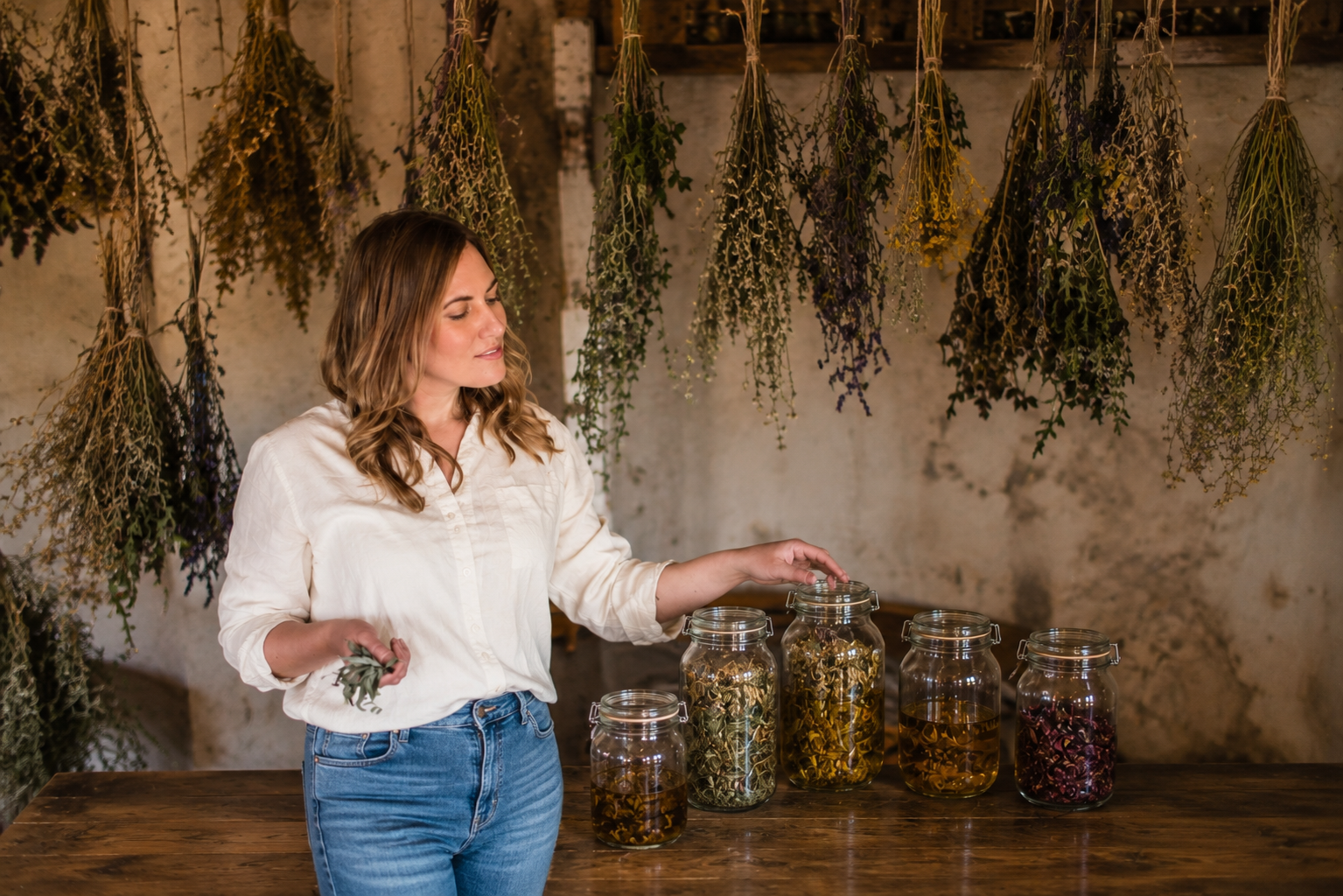
As a naturopathic physician, I’m trained to use a full spectrum of therapies, from pharmaceuticals and minor surgical procedures to nutrition and botanical medicine. But what defines my practice is when and why each modality is used.
I begin with the understanding that the body has an inherent capacity to heal…
and my role is to support that intelligence rather than override it.
Rooted in Hippocratic medicine and the principle of wholeness, my approach reflects Plato’s insight that true knowledge of nature and of medicine, comes only when the body is understood as an integrated whole.
The Therapeutic Order
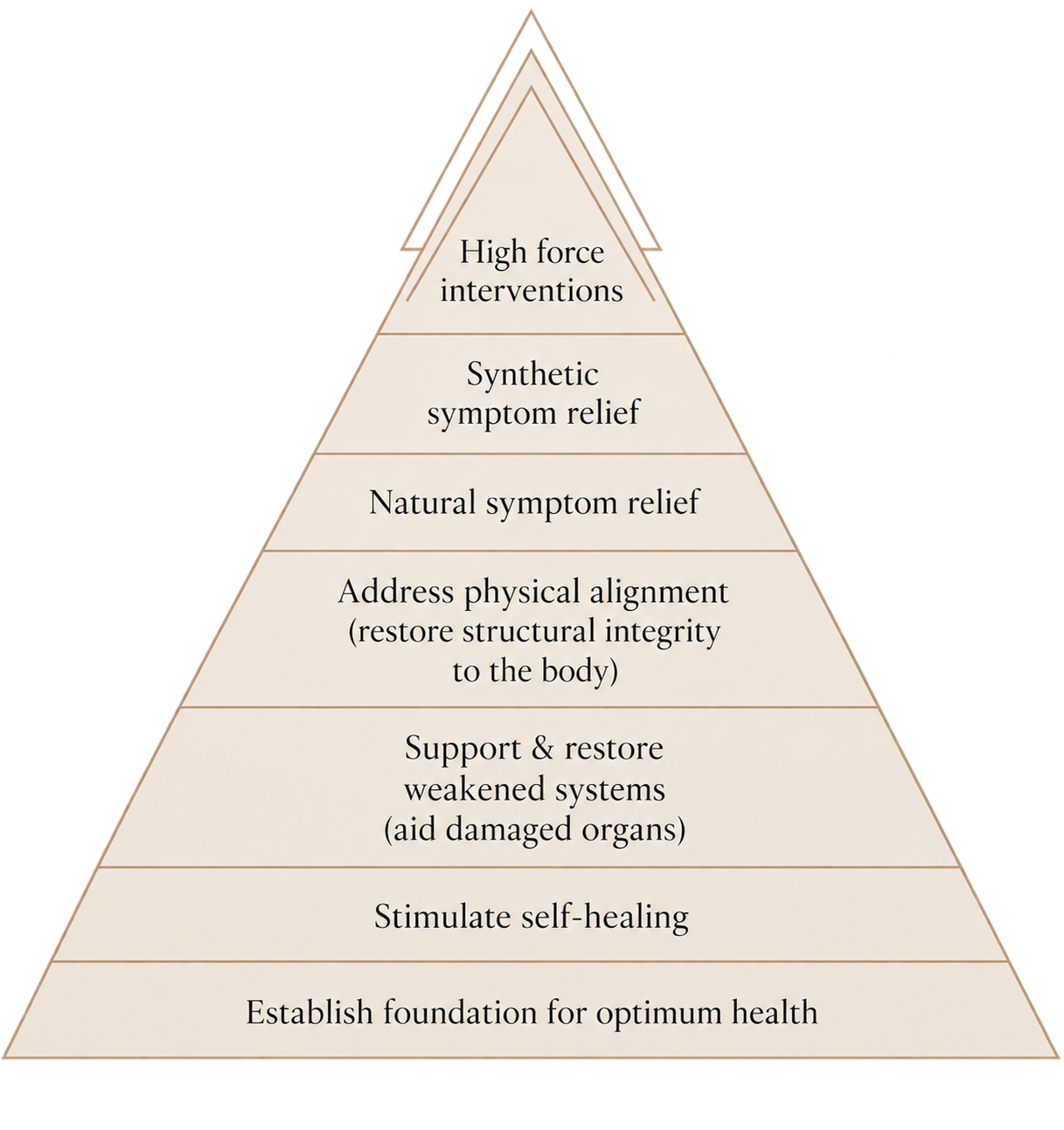
The Therapeutic Order is a guiding philosophy of naturopathic medicine that prioritizes addressing the foundations of health and underlying causes of illness while using the least invasive intervention appropriate for each patient.
In practice, this means there is no single treatment path.
Care is highly individualized, and the therapies I use evolve according to what each person needs at that particular point in their healing journey.
The art of medicine is knowing when to support, when to intervene, and when to allow the body’s own intelligence to lead.
Whole Person Approach
Because the body does not experience life in separate systems

I approach health through the understanding that the mind, body, emotions, and environment are deeply interconnected. What happens emotionally can influence physiology, just as changes in the physical body can shape how we think, feel, and experience the world.
This relationship is increasingly explored through fields such as psychoneuroimmunology, which examines the communication between the nervous, endocrine, and immune systems and how psychological experiences and stress can influence these pathways.
For me, this is where ancient healing philosophy and modern science begin to meet. Meditation, breathwork, movement, time in nature, botanical medicine, nutrition, and conventional medical therapies are not competing approaches, they are different tools for supporting the same human system.
I don't treat a collection of symptoms. I seek to understand the person experiencing them.
Expectation changes physiology.
What we believe about healing can influence how we experience it.
A diagnosis is information, not identity.
You are always more than the name of a condition.
Your experience matters.
Good medicine requires listening, to the evidence, to the body, and to the person living in it.
The Most Powerful Medicine is often the Simplest
the way we breathe, nourish, move, rest, connect, and live.

The thoughts you return to. The emotions you carry. The way you breathe and sleep. The food that nourishes you. The way you move. The time you spend in nature. The relationships you cultivate. And how you choose to spend the finite hours of your life.